Commercial Roofing in West Haven, CT
Roof inspections, leak repair, and reroof planning in West Haven, with access windows, drainage checks, and clear records for facility teams.
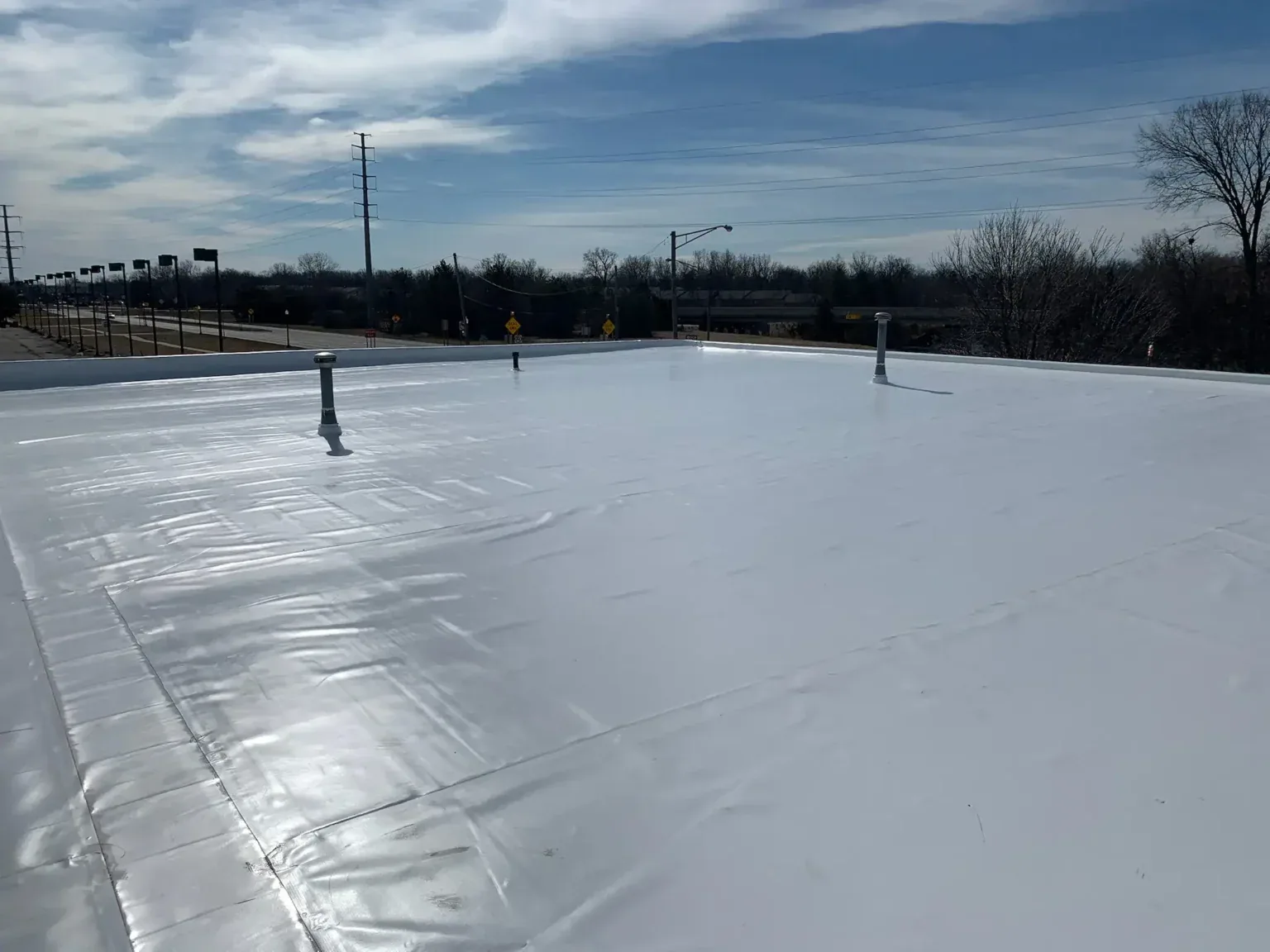
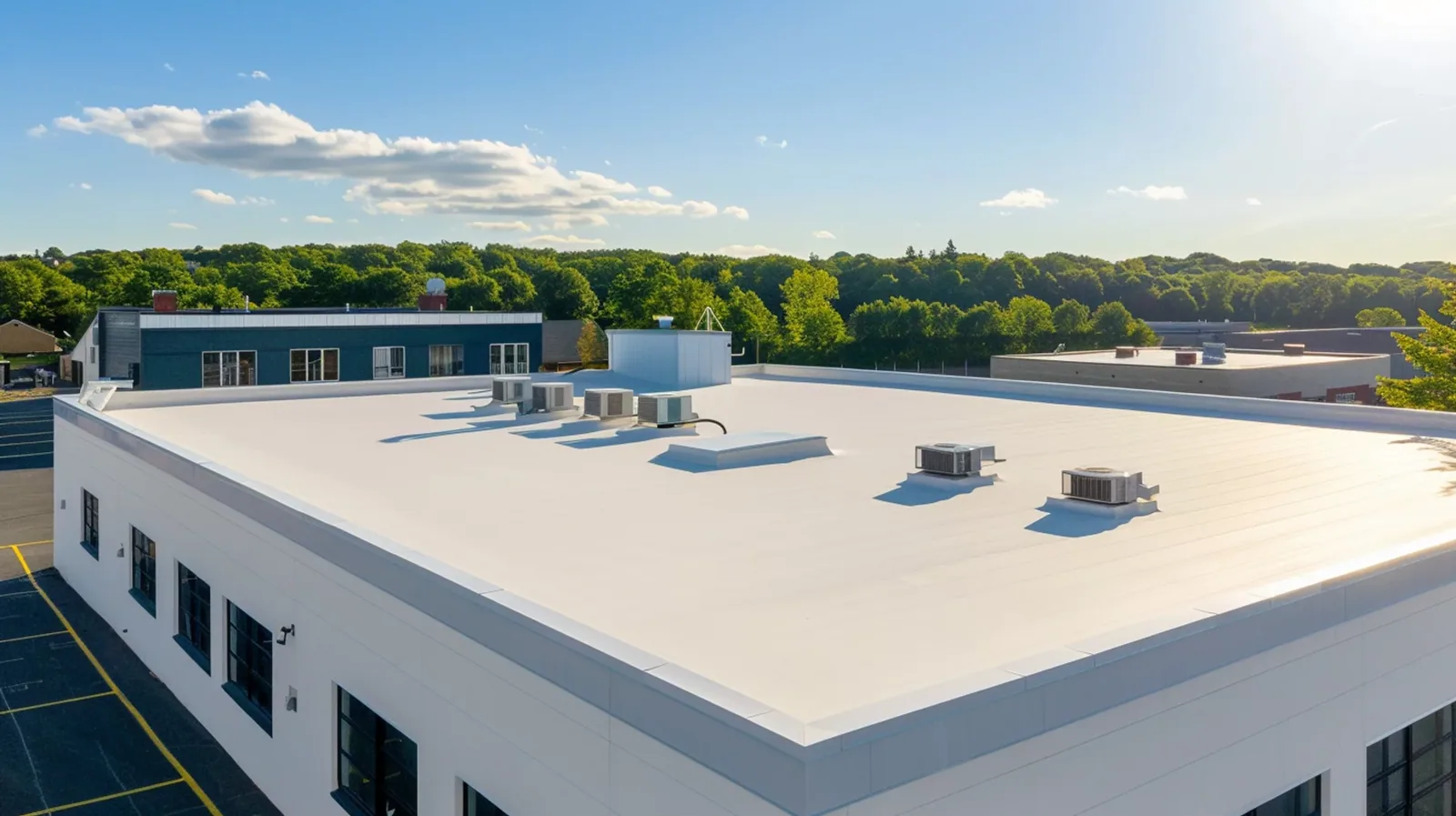
A drain that carries water toward a parapet can set the inspection sequence on a West Haven roof. We start with the affected interior space and follow the roof's drainage route, checking laps, transitions, outlets, and penetrations along the way. Before the crew crosses an occupied area, the facility contact confirms roof access, staging, and the work window. The written findings distinguish a visible defect from a path that still needs testing.
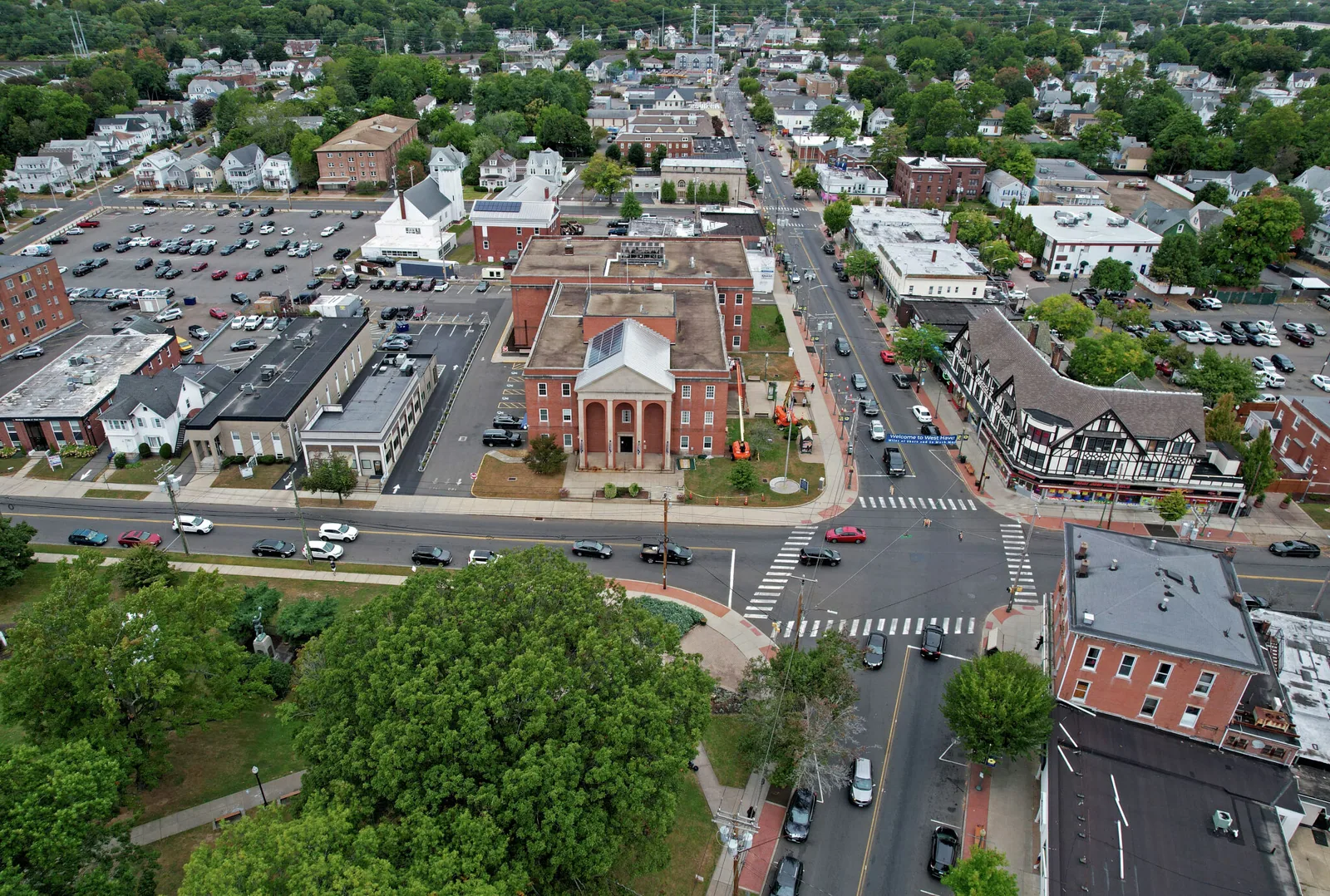
West Haven covers 10.8 square miles of land, and its town center is about 13.3 miles from Bridgeport's center by straight-line measurement. Before dispatch, we confirm the property entry, roof layout, and work window with the facility contact. We confirm the property entry and roof layout before dispatch. A local walk should leave the facility director with zone-labeled photos, a defined repair boundary, and a next action that can be scheduled.
Check the Transition First
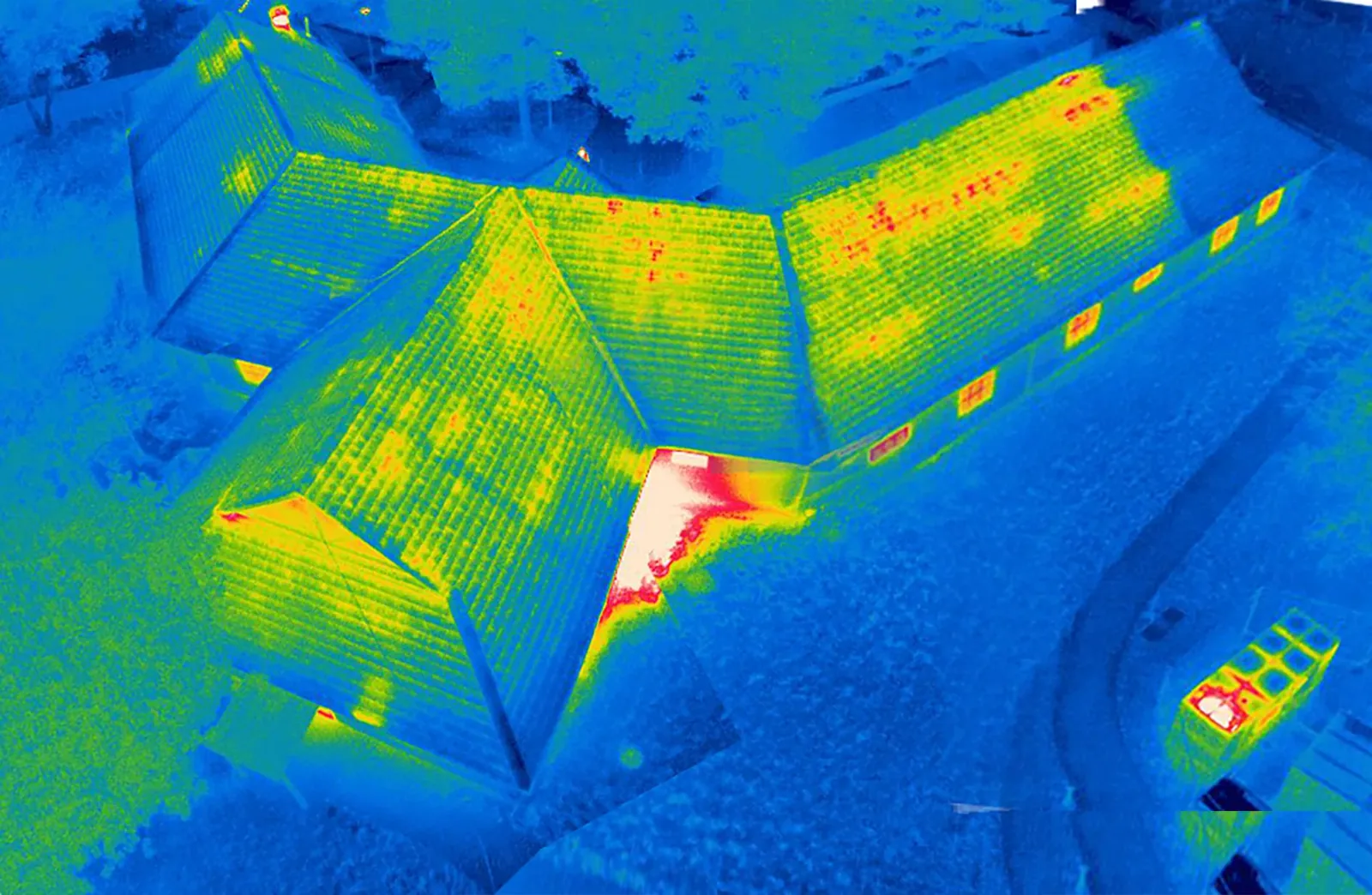
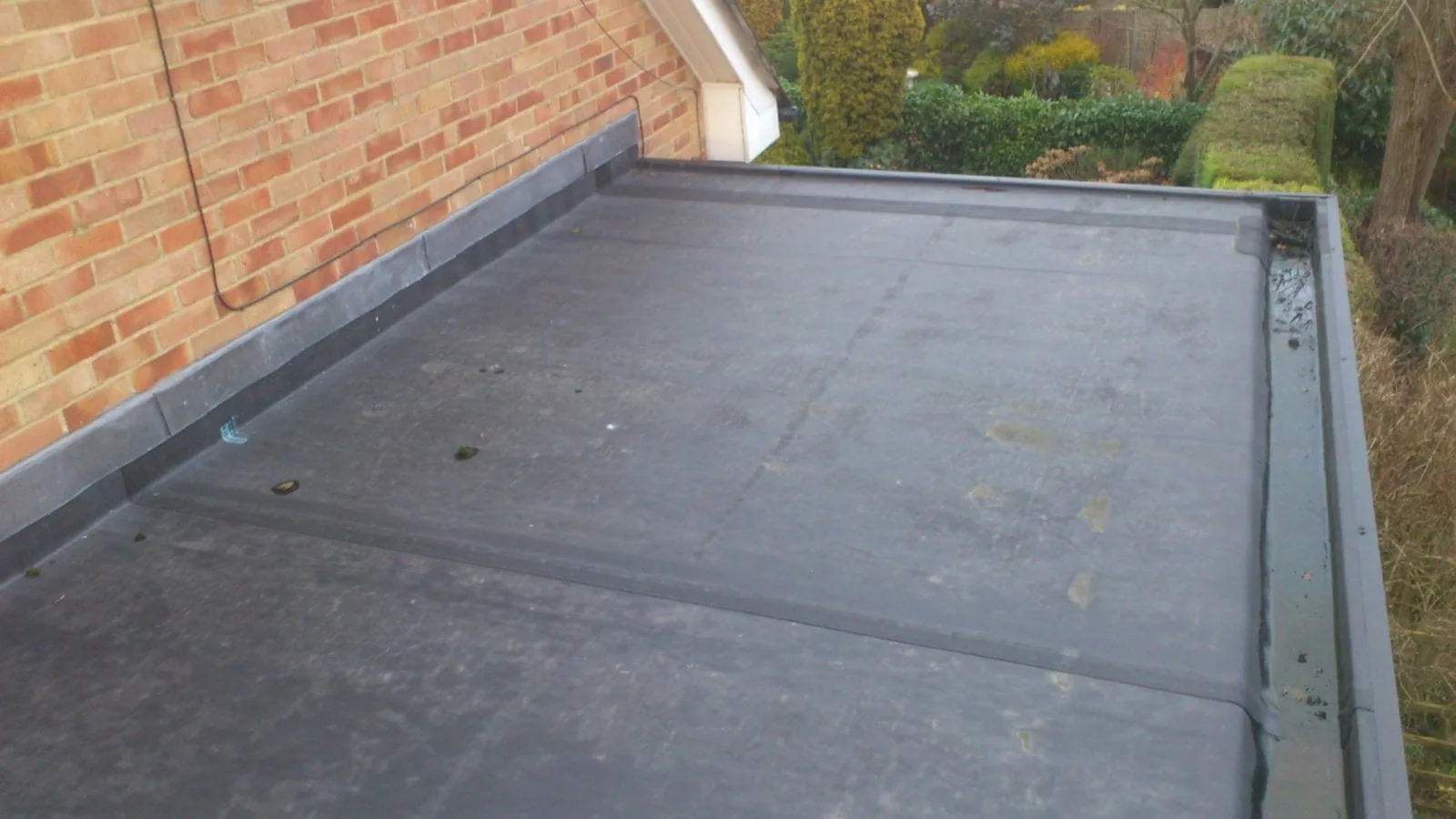
Water may enter at a wall transition and show itself several bays away. We map the interior report to the roof above, then inspect the membrane seam, curb, flashing, and outlet connections that could carry it. The field record notes whether the material is wet, separated, punctured, or simply stained. If several explanations remain possible, we state which area should be tested and why. That gives the owner a decision path without widening the scope by guesswork.
We schedule each West Haven roof walk by the property's access window and match every finding to the inspected roof zone. For any occupied building, the facility director identifies access control, sensitive operations, and rooms requiring protection. A roof inspection with photos can document those details; if water movement is unclear, moisture survey work may guide selective verification when conditions allow.
Review the Water Route
The Bridgeport station's climate record gives an annual precipitation mean of 44.09 inches and an annual snowfall mean of 33.6 inches. In West Haven, the inspection follows the observed drainage path and conditions at the property. For a West Haven roof, the current forecast and observed drain and edge conditions determine when the crew can reach a sound dry-in point. The crew checks outlets, laps, edge metal, and temporary protection before opening a roof section.
After rain or a thaw, we record where water remains and whether the route to an outlet is obstructed. A surface treatment is not a correction for a sagging deck or a blocked drain. The ponding-water repair review identifies the extent and possible assembly concerns, while a drainage detail inspection traces the outlet itself. Photos from the same roof zones make recurring conditions easier to distinguish from a newly reported leak.
Protect Occupied Space
A permit handoff should identify the roof area, affected edges and penetrations, visible layers, and the proposed work sequence. We note where the assembly is concealed and which dimensions need confirmation. The owner and design professional can then match the project to the applicable review and prepare any required drawings. Diligence Notes document what was visible; they do not settle approval requirements.
A facility director can help establish safe movement from the entry point to the roof zone. We confirm hatch or ladder access, fall protection, lift clearance, staging, and any operating period that must remain uninterrupted. Work above an active floor may require notice, dust control, or an alternate service route. A phased sequence identifies what gets opened, how temporary protection is secured, and where crews stop at the end of each day.
Separate Repair From Reroof
A targeted repair should name the defect and the tie-in material. We check whether surrounding membrane or metal can be prepared, whether the detail can be reached safely, and whether related transitions are also failing. If a patch history points to repeated movement or wet insulation, a wider condition review may be the right first scope. A repair proposal should list the zone, preparation, repair detail, and any remaining uncertainty in plain language.
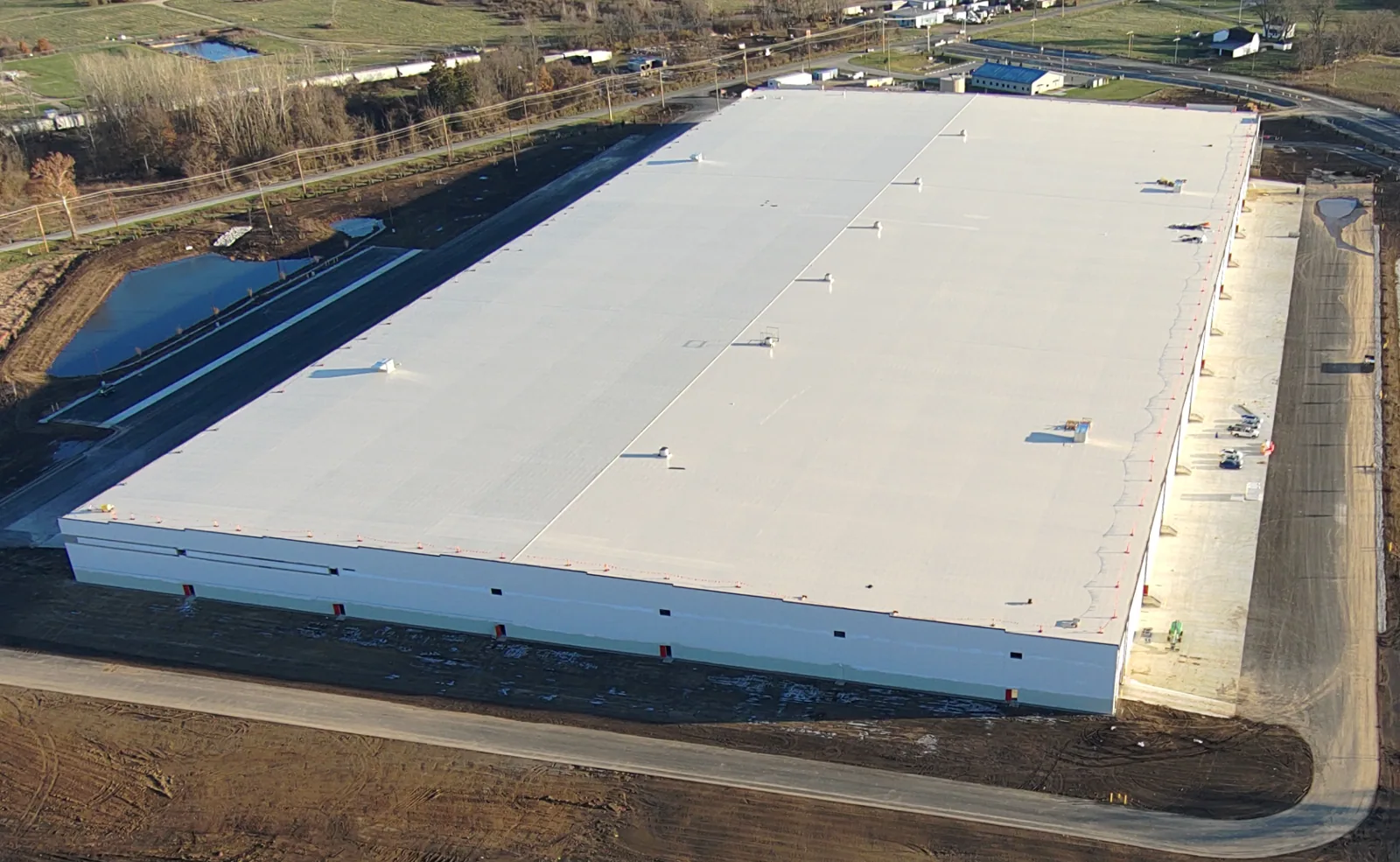
Replacement involves the whole assembly: roof layers, deck, insulation, drains, edge metal, curbs, and equipment supports. We compare recover and tear-off only after checking whether existing materials and project design permit each approach. The decision also includes debris handling, temporary exposure, protection below, and what business activity can continue. A PVC membrane assessment and medical-office work sequence can frame relevant design and access questions without treating every city property as a healthcare building.
Close by Roof Zone
The closeout file should link each completed item to the roof zone and its photograph. We list the materials installed, the boundary of work, the condition found beneath an opening, and anything deferred. If a section could not be checked, we identify it for a later visit. That record helps a maintenance team compare the same details over time and gives ownership a clean basis for repair or capital planning.
A useful first call includes leak dates, affected rooms, roof plans, previous repairs, and entry requirements. Tell us when access is available and whether a temporary response is needed first. The next step may be a focused leak trace, moisture testing, or replacement analysis. Owners coordinating roofs in New Haven and Oxford can share a scheduling contact while each property retains its own operating plan and roof record. For follow-up, condition documentation keeps the sequence visible.
A repair above an active entrance needs a below-roof check as well as a membrane repair. We confirm whether debris control, temporary barriers, or a changed walkway is required, and who will release that space when work is finished. If interior protection is needed, the contact names the room and the materials that must remain in place. At closeout, the crew reports which access routes were restored and whether any follow-up inspection should occur after the next period of rain. We also verify that debris has not blocked the drainage path and that temporary barriers have been removed only after the facility contact releases the area. The report names the person receiving the handoff, the repaired zone, and any condition that should be checked again after rain.
Questions and Answers
Does a roof inspection include the rooms below the leak?
When the facility contact can provide access, we compare interior evidence with the roof area above it. That can help distinguish a roof entry from piping or condensation, but a ceiling stain alone cannot establish the cause. We record what was seen inside and outside, any access limit, and whether a targeted test is needed before repair.
How is roofing work planned above a sensitive operating area?
The facility director names access rules, work hours, protected rooms, and operations that cannot be interrupted. We set a staging path, agree on notice and cleanup, and split the roof into sections that can be closed safely each shift. Where the work needs an opening, temporary protection and a clear handoff are defined before the crew starts.
Can drainage work be separated from membrane repair?
Often the scopes are related but not identical. We inspect the outlet, surrounding membrane, and drainage route, then state whether an obstruction, failed detail, or broader slope question is present. A clean drain does not prove the field is sound, and a membrane patch does not correct a restricted outlet. The report keeps each item distinct.
What records are useful after a roof repair?
Keep before-and-after photos tied to roof zones, repair materials and locations, concealed conditions, and any work deferred. Add the leak date and whether the interior condition returned. That record helps a later inspection compare like areas and supports a maintenance schedule based on the roof's actual details rather than a generic reminder.
Related Roofing Work