
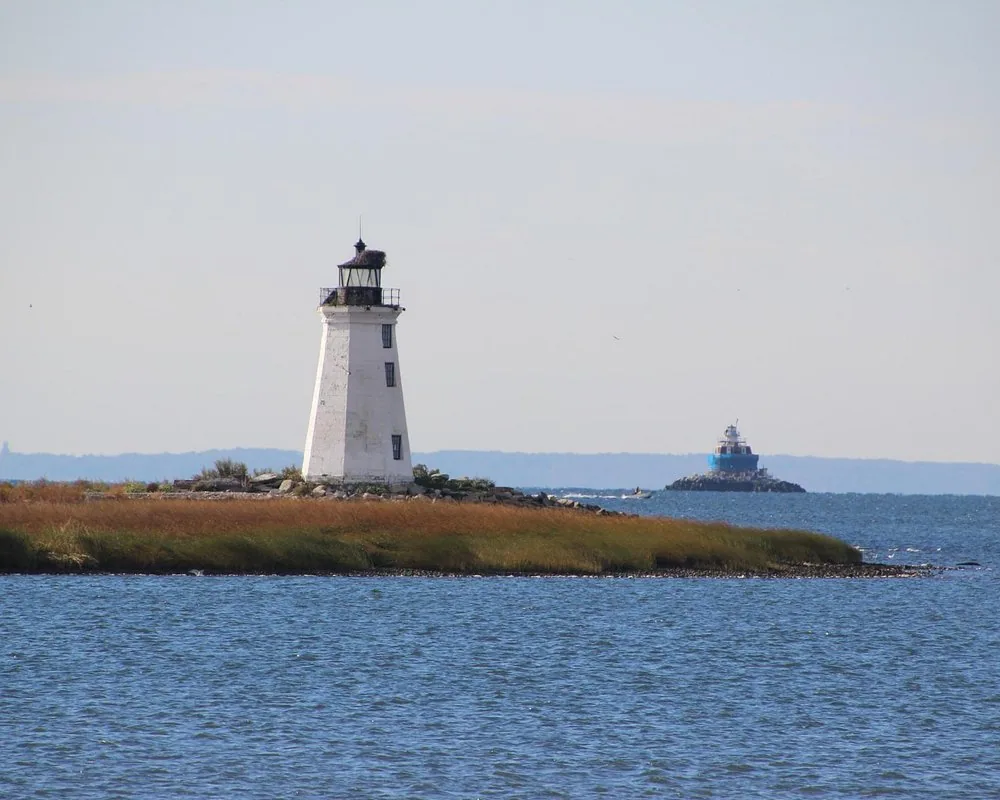
Commercial Roofing in Beacon Falls, CT
Get commercial roof repair, inspection, and replacement planning in Beacon Falls, CT with a mapped work zone, dry-in limit, and written handoff.
A repair above an active room needs a dry-in point before the first section is opened. In Beacon Falls, CT, we start by locating the reported leak, checking roof access, and agreeing on who can approve a scope change. The inspection follows the water path across membrane, flashing, penetrations, and drainage instead of treating the ceiling mark as the entry point. The notes identify which roof zone can be worked and what must stay protected below.
Beacon Falls is within our nearby Bridgeport service area, and we confirm the entry point, work hours, and staging limits with the facility contact before mobilization. For a Beacon Falls roof walk, the actual access route, lift placement, and open drainage paths set the work sequence. We verify those details on site. A commercial roof inspection records the roof observations, operating limits, and the next decision for the facility contact.
Make roof access part of the scope
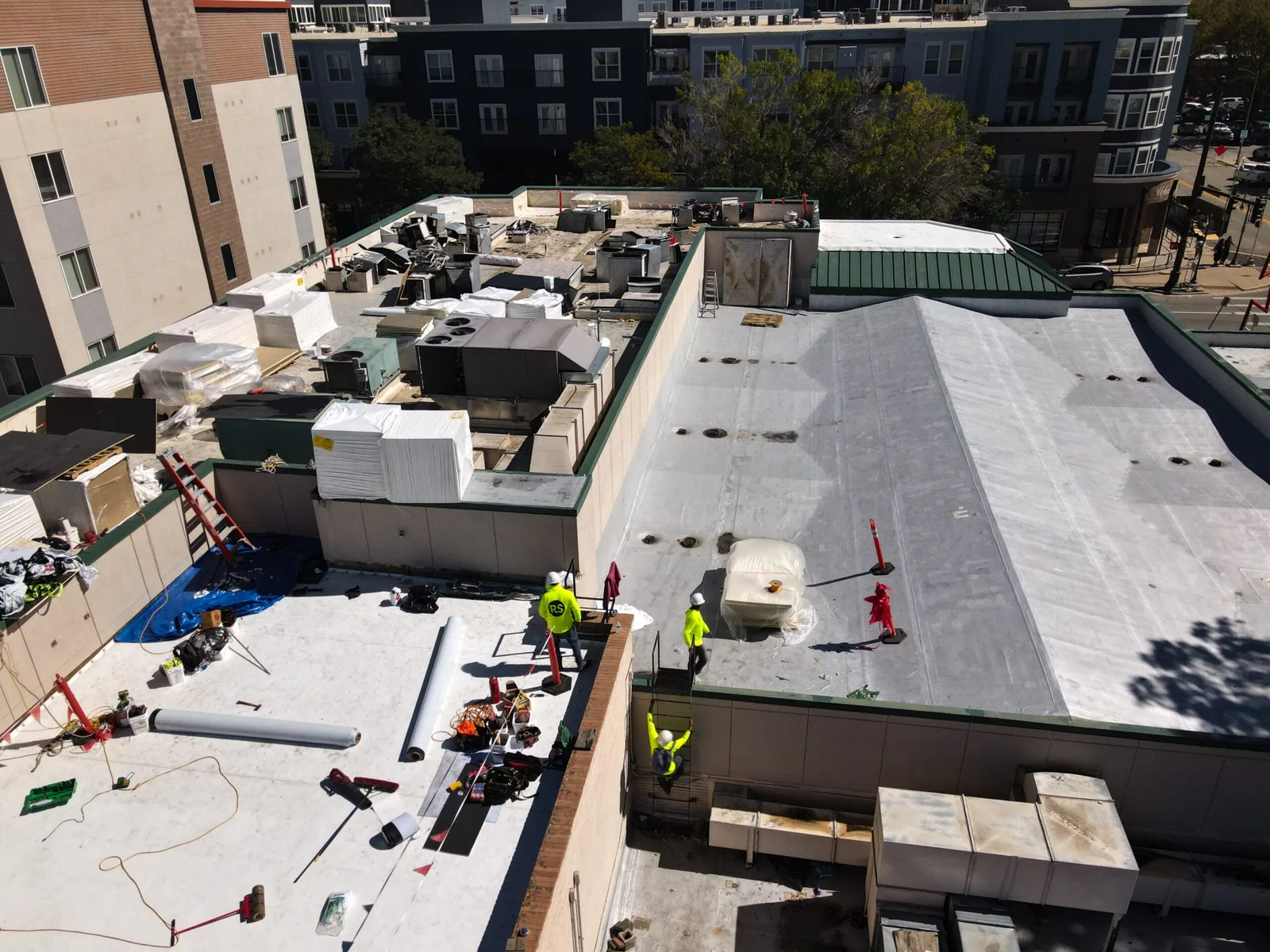
Before selecting material, we confirm how the crew will reach the roof and move tools to the work zone. The access plan identifies a ladder or lift point, safety controls, service equipment clearances, and any area reserved for deliveries or building operations. The facility lead tells us which rooms need protection and who should receive notice if work shifts. Those details prevent a repair estimate from assuming that every roof area is available at any hour.
Census town centroids put Beacon Falls roughly 18.8 straight-line miles from Bridgeport. The municipality is inside our ordinary 25-mile service area; we confirm the road route, appointment window, and property access before dispatch. The team confirms the appointment window and site access before mobilizing, then notes any change that affects arrival, lift setup, or the roof sequence.
Find the entry point before patching
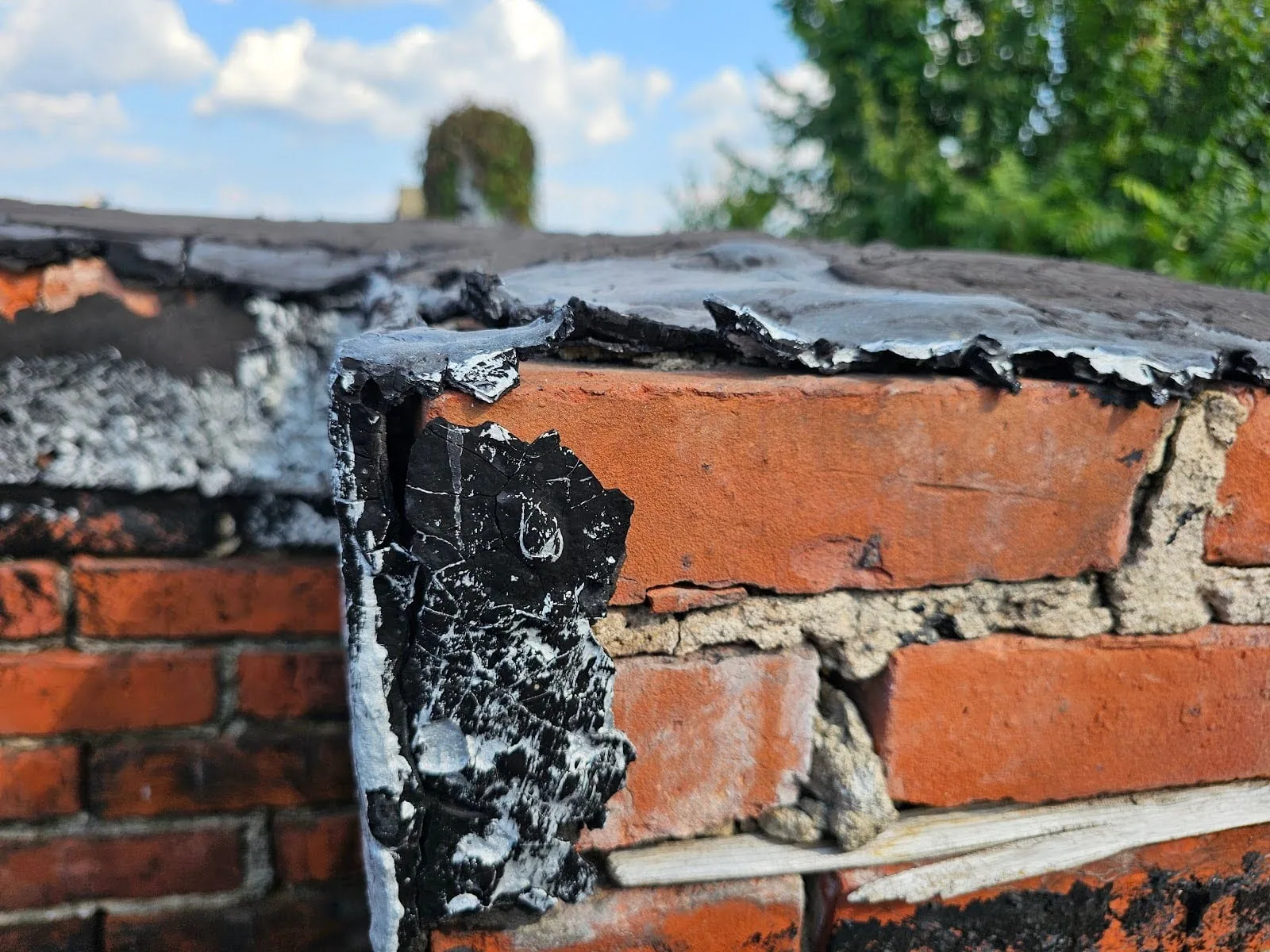
Water can travel laterally beneath a roof surface before it appears inside. We inspect uphill from the ceiling mark, checking laps, field seams, penetrations, wall flashings, curbs, drains, and transitions. A split at a curb, an open lap, a loose termination, and a puncture each require a different repair. We photograph the condition with enough context to locate it again and identify what surrounding material must be opened or left in place.
A water route that follows a wall or edge can involve metal attachment as well as membrane. We check the termination, cleat, fasteners, and sealant joint to see whether the detail can be re-secured. If the defect is concentrated at a transition, flashing failure repair may address that boundary. A broader membrane concern calls for a different scope. The estimate states the work included and any adjacent condition that remains outside it.
Set a secure stopping point
The daily sequence needs a point where the roof is watertight if weather or access interrupts the job. We divide the repair into manageable areas, note which drain paths must remain open, and define how each exposed edge will be secured. The facility contact receives the planned work area and the condition expected at the end of the shift. A change in weather may alter the work order, but it should not leave the open zone or interior protection unclear.
Temporary protection is labeled as temporary. It can limit immediate water entry while material, weather, or approval conditions are resolved, but it does not substitute for a permanent repair. We record what remains exposed, what the temporary measure covers, and the condition needed for the final tie-in. Once the surface is suitable, the crew prepares to sound material, installs a compatible patch or flashing, and checks the surrounding detail for movement or a second opening.
Compare a local repair with broader work
A targeted correction can be appropriate when the surrounding roof is stable and the defect has a clear boundary. Several leaks in different zones, widespread moisture, failing seams, or deck damage may require a larger review. We show the confirmed repair area beside the conditions that remain uncertain. The owner can then compare an immediate repair with phased replacement, rather than treating one leak as proof that the entire roof has failed or is sound.
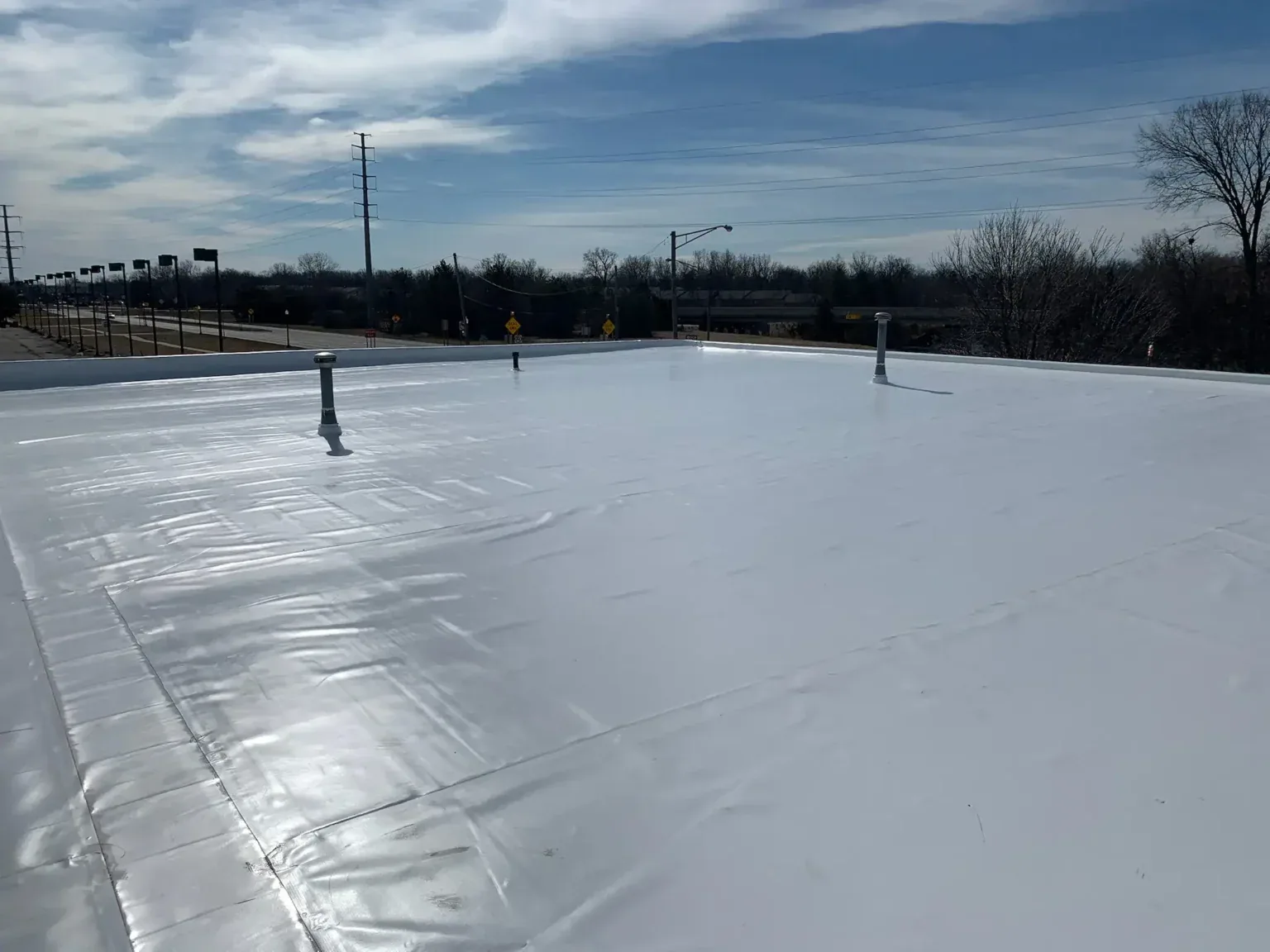
Timing and cost depend on removal depth, deck condition, insulation, edge metal, disposal, access equipment, weather protection, and how much of the roof can be opened in one shift. A coating can be considered only if the surface and underlying assembly are suitable; it will not correct wet insulation or loose attachment. A recover review checks whether an existing roof can remain below new work. A replacement scope identifies removal, substrate repair, and dry-in boundaries when it cannot.
For maintenance after the immediate issue, we mark drains, seams, edge details, and prior repair points as inspection locations. The record states what should be checked and what visible change would justify another visit. A roof condition report can organize those findings by roof zone and urgency. This gives ownership a usable transition from the service call to a planned repair or capital decision.
Give the next contact a clear handoff
Closeout identifies the observed failure, repair preparation, material, tie-in, roof zone, and any condition left for monitoring. We label photographs so the facility team can distinguish the completed area from a nearby item that was not included. If the job stops at temporary protection, the record gives the return condition and remaining exposure. If the repair is permanent, it notes the adjacent details checked and the next inspection trigger.
At the Bridgeport station, the annual snowfall normal is 33.6 inches and annual precipitation averages 44.09 inches. For a Beacon Falls visit, the live forecast and the building's actual drainage path set the dry-in sequence. On the roof, we check whether the repair surface is dry, the drainage route is clear, and the forecast supports a reliable dry-in. The report ties the recommendation to the observed assembly and records any condition that needs another visit.
For a roof walk in Beacon Falls, share the roof plan, interior leak locations, access limits, prior repairs, and the person who can approve an opening. We will map the condition and define the next work window. Owners coordinating properties in Bridgeport and Oxford can share a scheduling contact, while each roof keeps its own access plan, drainage map, and repair scope. A crew can also review the maintenance plan after repairs are complete.
Questions and Answers
What should we do before a repair crew reaches the roof?
Provide the access contact, roof plan, affected room locations, operating hours, and any lift or staging limits. Tell us which equipment needs service clearance and which paths must stay open. We will confirm the work zone and the first handoff so the repair can start without an avoidable access change.
How do you handle a roof that cannot be left open overnight?
We set a daily dry-in boundary before removal begins. Each open area has a planned secure condition, with drainage kept clear and temporary protection directed away from the opening. If conditions change, we tell the facility contact what is secured and what still needs permanent work.
Can you identify wet insulation without removing the roof?
A moisture survey and visual inspection can narrow the area, but the assembly may need a controlled opening to confirm material condition. We explain what each method can establish and get approval before cutting. The scope records the test location and findings separately from any repair recommendation.
What determines whether you replace a flashing detail or the membrane too?
The condition at the termination, adjacent membrane, substrate, and attachment sets the repair limit. If the field sheet is sound, a localized flashing correction may be appropriate. If moisture or seam failure extends beyond the detail, we map that area and explain why the work boundary changes.
What will we receive after the roof repair?
The handoff identifies the roof zone, defect, work performed, material, photographs, and any open concern. We also state whether protection was temporary or the repair is complete, plus the next condition that should prompt inspection. That leaves the next facility contact with a practical roof record.
Related Roofing Work

Plan a Beacon Falls roof walk
Send the roof plan, leak locations, access rules, and prior repair notes. We will inspect the reported zone, set a secure work sequence, and document the repair boundary and next step.