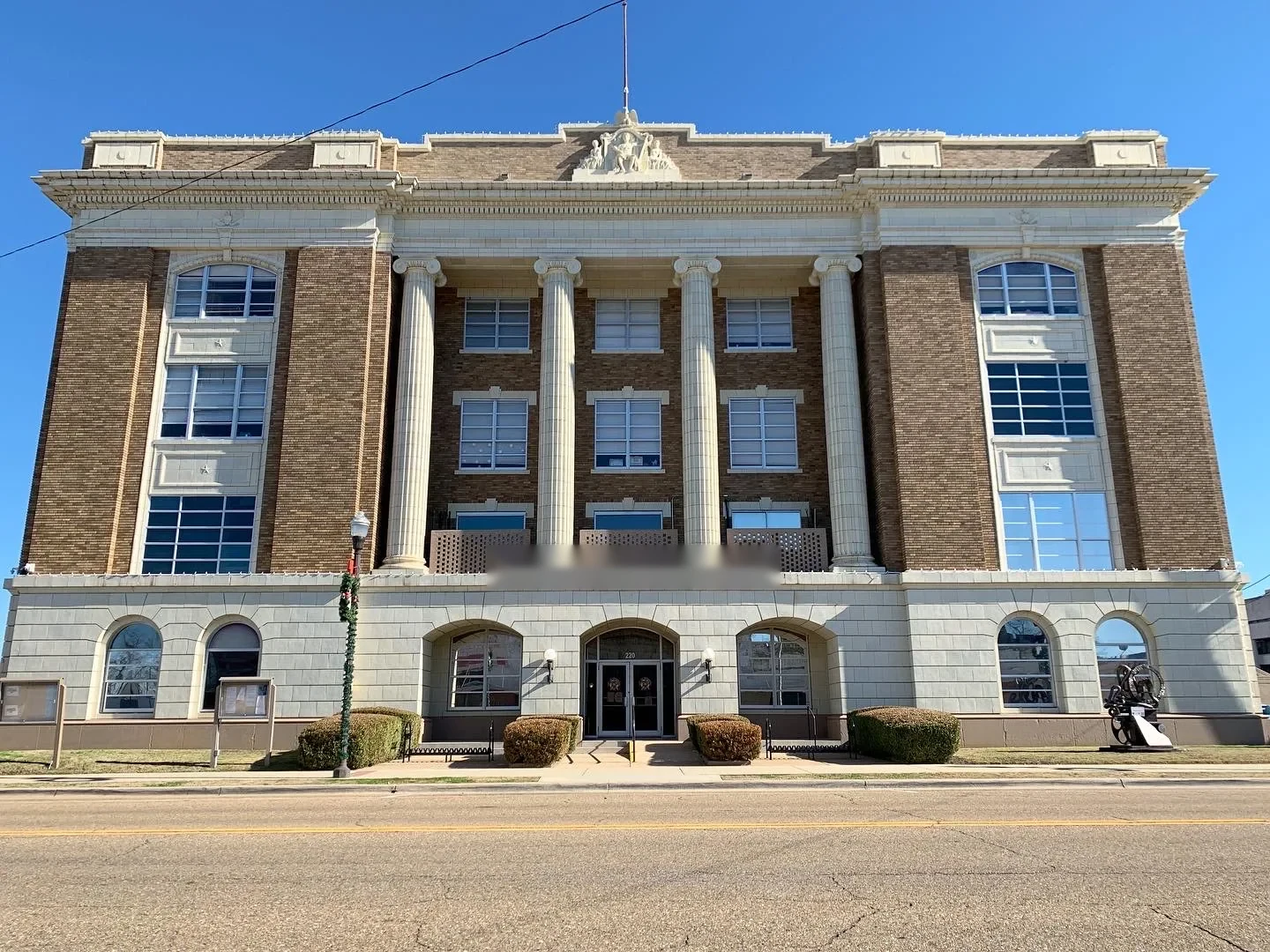
Government and Municipal Building Roofing in Bridgeport, CT
Scope municipal roof repair and replacement in Bridgeport, CT with clear work limits, public access controls, drainage review, and documented handoffs.
A roof repair at a public building starts with the work boundary and the public route. We identify the affected roof section, the entrance or service area below it, and the contact who can approve a change if concealed conditions differ from the drawings. The inspection records seams, drains, curbs, edge metal, and prior repairs by location. That gives facilities staff a defined scope to review before access controls, notices, and a work window are set.
For a Bridgeport, CT public facility, route planning may intersect with the State Street corridor or the area called The Smile between Railroad Avenue and I-95. The city also has an active waterfront with port operations. A municipal building in these settings may require delivery coordination, pedestrian protection, or a clear route for public services while roofing proceeds. We sequence the roof by zone, maintain temporary dry-in, and leave a written handoff that identifies completed work and the next decision.
Protect the Route People Use
Public access changes where equipment, materials, and temporary barriers can be placed. Before mobilization, we review entrances, accessible paths, emergency access, loading, and any department schedule that limits a closure. The roof plan marks the lift area and the point where the ground route changes. If work needs a short restriction, the site contact can align it with notices and move services to an approved entrance. The scope should say who confirms the route is open again after the shift.
Bridgeport's port supports commercial shipping, ferry service, fishing, recreational boating, and several cargo types, so waterfront operations can have their own traffic and delivery timing. We confirm the building's actual schedule and delivery route with its facility contact before setting a lift. A phased occupied-building plan can establish access boundaries, while a municipal office roof review can keep interior occupants tied to the roof-zone map.
Record the Condition by Roof Zone
A useful condition record points to a location and a decision. We photograph seams, membrane patches, drains, scuppers, penetrations, curbs, and edge details with the roof plan as a reference. Notes separate active water entry from worn material, and identify areas that could not be reached. When several buildings share a campus or department, each roof gets its own record so a repair at one address is not treated as evidence about another structure.
For a building used by staff and visitors, we also note rooftop units and access conditions that may affect the sequence. The commercial inspection can provide a baseline, while the written condition report organizes photographs and repair priorities for review. If an interior stain is recurring, the flashing investigation can test a transition without presuming the visible roof mark is the entry point.
Define Repair Limits Before Work Starts
Bridgeport's zoning review asks for building details and a defined work description on many commercial and industrial repair filings. A roof scope should state the building, work zones, material removal or retention, drainage work, staging, and temporary protection. It should also identify what triggers a pause, such as unexpected wet insulation, damaged deck, or a detail that conflicts with the plan. Staff can route that change for review before the crew opens additional area.
Repair-versus-replacement decisions depend on the assembly condition, not a single surface symptom. We check adjacent seams, attachment, penetrations, drainage, and any evidence that moisture crosses the apparent boundary. If a recover is considered, test openings and compatibility review can answer whether existing layers remain suitable. The repair scope can define a limited correction, while replacement planning sets removal and tie-in limits where a larger renewal is justified. A school building or other public facility still receives its own inspection rather than a copied scope.
Make the Sequence Reviewable
Public projects benefit from a sequence that can be understood by facilities staff and the building contact. We identify the first zone, delivery route, lift period, work method, daily dry-in limit, and the condition required before moving to the next area. A short Diligence Notes can show what was completed, what remains covered, and whether any alternate access is still in effect. That record gives the next shift a specific starting point and prevents an open roof area from being mistaken for completed work.
The Port and Bridgeport's commercial corridors create different surroundings, but the same field decisions remain building-specific: how to stage, what remains open, and which detail needs inspection before concealment. We coordinate with other trades when rooftop equipment or penetrations sit inside the repair boundary. Drainage and edge-metal corrections can be listed separately from membrane work. For a municipal portfolio that also includes Stratford, we inspect that property's own roof and entrances instead of carrying Bridgeport observations across town lines. A Stratford property may have a different public entrance and inspection boundary. The work order should identify who approves a change and when public routes must reopen.
Close the File With the Next Trigger
At closeout, we provide a roof-zone summary, labeled photographs, installed material information, approved changes, and any area not inspected. The file should note temporary protection that was removed, drainage checks, and any follow-up visit agreed in the scope. If a condition is being monitored rather than repaired, the note states what observation should trigger another review. Clear records help a department compare future bids or maintenance needs against the same roof map.
Bridgeport planning documents treat Downtown and waterfront districts as distinct development contexts, and the operating property should be recorded with equal care. Keep approval documents and roof findings together, but do not merge observations across buildings. A capital planning review can connect current repair priorities to a phased budget, while preventive maintenance checks edges, drains, and penetrations between larger projects. The Bridgeport work area provides the regional setting; the building walk establishes the actual scope.
Questions and Answers
What should a municipal roof scope identify before procurement?
List the building and roof zones, current condition, access and public-route controls, staging, temporary dry-in, and the repair or replacement boundary. Include the documents and contact needed for a concealed-condition decision. We can put observations and proposed work in a written scope for review before mobilization.
How do you keep entrances available during roofing work?
We map entrances, accessible paths, service routes, and lift areas with the facility contact. The schedule names any short closure, alternate route, and the person who confirms reopening. If work moves, the contact gets an updated boundary rather than an informal change in the field.
Can one inspection cover several municipal buildings?
A coordinated program can schedule multiple roofs, but each building needs its own observations, photographs, and access notes. We record each structure separately so department staff can compare observed conditions without combining separate repair histories. We keep the records separate and can present them together for department-level prioritization.
When should a public building choose replacement instead of repair?
We review the surrounding assembly, moisture, attachment, transitions, and repair history before recommending a scope. A localized defect may support a defined correction. Broader deterioration, recurring failures, or unsuitable retained layers may justify additional testing or replacement planning, with the reason recorded by roof zone.
What belongs in the closeout package?
Include a roof map, labeled photographs, work completed, material and accessory notes, approved changes, access restrictions, and any area left for monitoring. State the next inspection trigger and who receives a new leak report. Facilities staff can then use the record to schedule maintenance or price a later phase.
Related Roofing Work
Set a Reviewable Municipal Roof Scope
Provide the building list, access and public-service hours, roof plans, repair history, and any affected entrances. We will document the roof zones and prepare a written next step for facilities review.