
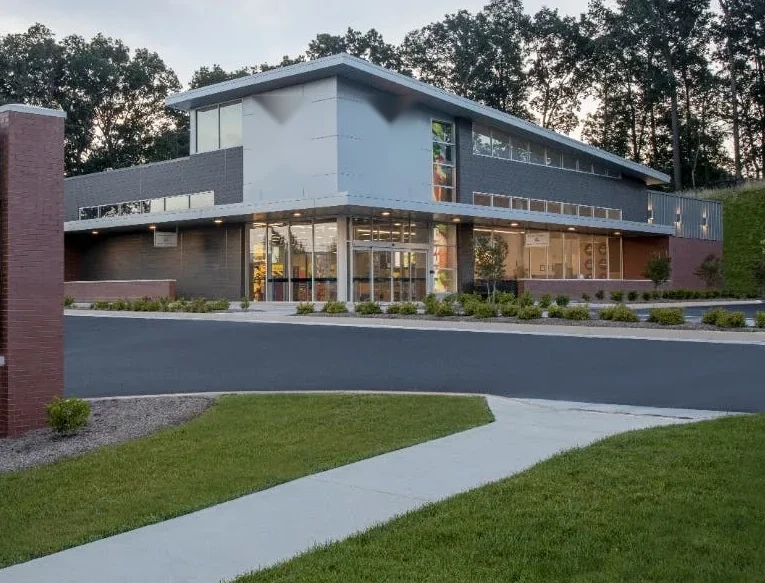
Commercial Roofing for Retail and Restaurant Chains in Bridgeport, CT
Protect store and restaurant operations with roof scopes planned around customers, deliveries, kitchen equipment, and opening hours in Bridgeport, CT.
A leak above a dining room or sales floor affects more than the roof. It can reach merchandise, food-preparation areas, lighting, and a customer path before the source is clear. We begin with the affected space, operating hours, delivery route, and access rules, then inspect the roof detail above and around it. Downtown Bridgeport includes office, retail, and mixed-use activity, while smaller retail-serving parcels line parts of State Street. Each storefront still needs an inspection based on its own assembly and condition.
A chain can coordinate schedules across locations, but repair scopes remain tied to each address. We document which roof section was checked, what was found, and what step follows. A store roof inspection can identify repair priorities before a ceiling report interrupts service. If water is active, we set a temporary protection boundary and trace the source through a focused leak review.
Keep the Public Route Clear
Before work begins, we identify customer entrances, accessible routes, pickup areas, delivery doors, and the path to roof access. A lift or material staging zone must not cut across an open entrance without an agreed restriction. The manager can share opening hours, meal periods, deliveries, and any security procedure that changes when a roof hatch can be used. We then select a work window and tell the site contact which area may be unavailable.
Downtown Bridgeport's offices, retail spaces, and mixed-use buildings bring different entrances, pedestrian paths, and delivery windows to a roof project. For a storefront roof, the crew maps customer access and delivery paths before selecting the staging zone. A manager handling several sites can use a portfolio roof record to coordinate visits, while a hospitality facilities team may share similar occupancy constraints. The actual staging plan remains specific to the restaurant or store.
Protect Food, Merchandise, and Equipment
Tell us what sits below the affected roof area. A kitchen line, cooler, point-of-sale system, merchandise shelf, or customer table can change the order of protection and repair. We confirm whether the interior must remain open, whether a temporary closure is acceptable, and who can approve ceiling access. On the roof, we follow the water path through seams, penetrations, walls, curbs, and drainage instead of assuming a stain sits directly under the opening.
For a customer-facing location, set the roof work boundary away from entrances, outdoor seating, and receiving paths; the site contact should approve barriers before materials arrive. Bridgeport's rain and snowfall normals make a post-rain or post-thaw check useful when a store leak comes and goes; the roof walk then traces the actual entry path. We photograph the observed detail and keep any inaccessible area on the open-item list. If a drain or overflow is involved, a drainage route check examines where runoff leaves the roof. That is especially useful before a restaurant reopens an interior area affected by water.
Repair the Detail, Not Just the Symptom
Roof repairs depend on the assembly and surrounding material. We identify the visible membrane or metal, review previous patches, and check whether nearby seams, curbs, and edges are sound. A small puncture may support a local correction; widespread deterioration or wet insulation may require testing before a larger recommendation. We explain which surfaces need preparation and what condition could keep a permanent repair from proceeding on the first visit.
For a coating project, the substrate, adhesion, moisture, and existing film condition matter before a new layer is considered. A restoration assessment can separate preparation and repair work from the coating application. If the roof has broader failure, a replacement review sets the area and sequence for evaluation. The store operator can then compare repair timing with a slower sales period instead of approving a surface treatment that does not address the underlying defect.
Coordinate the Brand, Preserve the Site Detail
Regional maintenance teams benefit from consistent records, but local operating information should not disappear in a chain summary. We label each address, roof section, photo, access restriction, and open repair item. The report can group similar findings for scheduling while retaining the differences between a downtown restaurant and a roadside retail building. If refrigeration, exhaust, or signage work changes a roof penetration, the record should identify the trade and the next person responsible for checking the detail.
State Street has larger parcels toward its western end and smaller parcels serving retail farther east. This planning context helps frame the range of nearby property uses; it does not say which chain occupies a particular building. For a chain that works with insurance claim documentation, our photos and scope can show the observed condition and completed repair without enlarging the loss description. Ownership can use one Bridgeport service visit to start a site-specific record for each store on the schedule.
Reopen with a Written Roof Handoff
The final note should say what was repaired, which path was used, whether temporary protection remains, and what condition would bring us back. We identify roof areas inspected, photos, material changes, and any limit caused by weather or access. The store manager needs to know when a customer route can reopen and whether an interior area should remain protected. A specific trigger, such as a later wetting event or access to an uninspected detail, is more useful than an open-ended promise to monitor.
Share the address, opening hours, delivery schedule, roof access, interior impact, and prior service history when requesting work. We will define the inspection boundary and coordinate the staging zone with the site manager. The written handoff can then move to the regional facilities file with enough detail to compare the next visit at that same property. A regional schedule can include Stratford and Fairfield alongside Bridgeport, but each store still needs a separate roof inspection, customer-route plan, and work boundary. We flag any repair that needs a second visit before dispatch.
Questions and Answers
Can roof repair happen before a restaurant opens?
A focused repair may fit a pre-opening window if roof access, preparation, material cure, and cleanup can be completed safely. We confirm the task and dry-in plan first, then tell the manager what area remains restricted. If the repair needs more time or dry weather, we identify another window rather than rushing the closeout.
What information should a store send for an active leak?
Share the affected room or aisle, whether customers or products are at risk, the time water appeared, recent weather, and any previous patch. Include roof access and delivery constraints. We use that information to prepare interior protection and trace the likely roof path.
How can a chain compare roof issues across locations?
Use a consistent record format but keep every finding tied to its own address and roof section. We can summarize priorities by issue type, then separate immediate repair from testing and capital work. That lets regional teams coordinate dates without assuming one store's roof condition applies elsewhere.
Does a ceiling stain always require roof replacement?
No. We inspect the entry path, nearby details, and surrounding assembly to determine whether a focused repair is supported. Broader deterioration or moisture may warrant testing or a replacement assessment. The report distinguishes what the visit confirmed from what remains uncertain.
What should the manager check after a repair?
Review the closeout photos and boundary, confirm the customer route is clear, and note any remaining observation area. If a later rain or thaw is the inspection trigger, record the next check date and who will report a change. Keep the record in that store's maintenance file.
Related Roofing Work

Set a Store-Safe Roof Work Window
Send the location, opening hours, delivery schedule, affected interior area, and access rules. We will coordinate staging with the manager, document the repair boundary, and provide a written reopening handoff.