Commercial Roof Insurance Claim Documentation in Bridgeport, CT
Document roof conditions, temporary protection, repair scope, and open questions for a commercial insurance claim in Bridgeport, Connecticut.
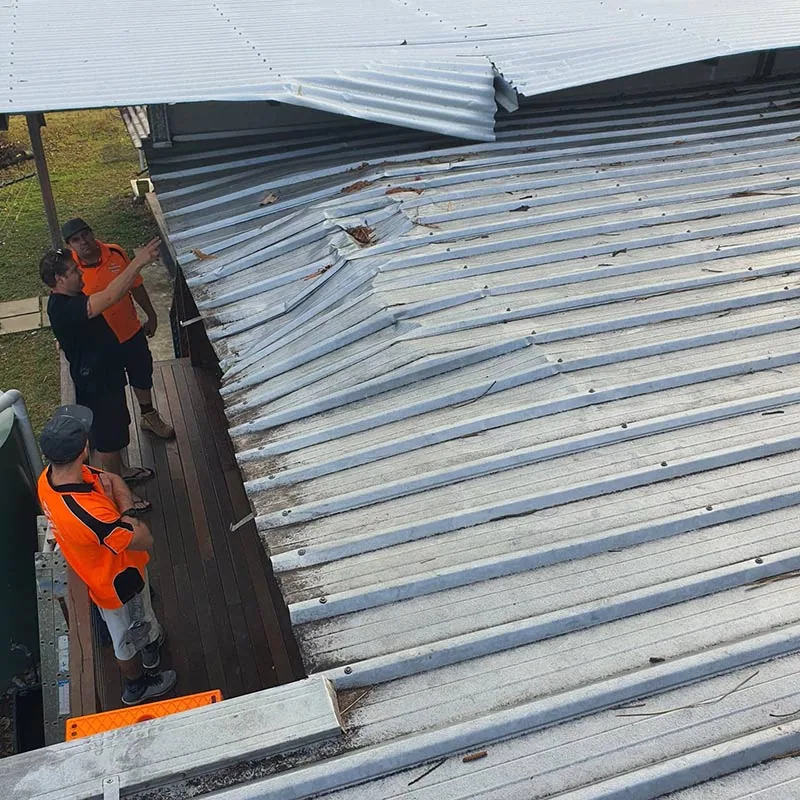
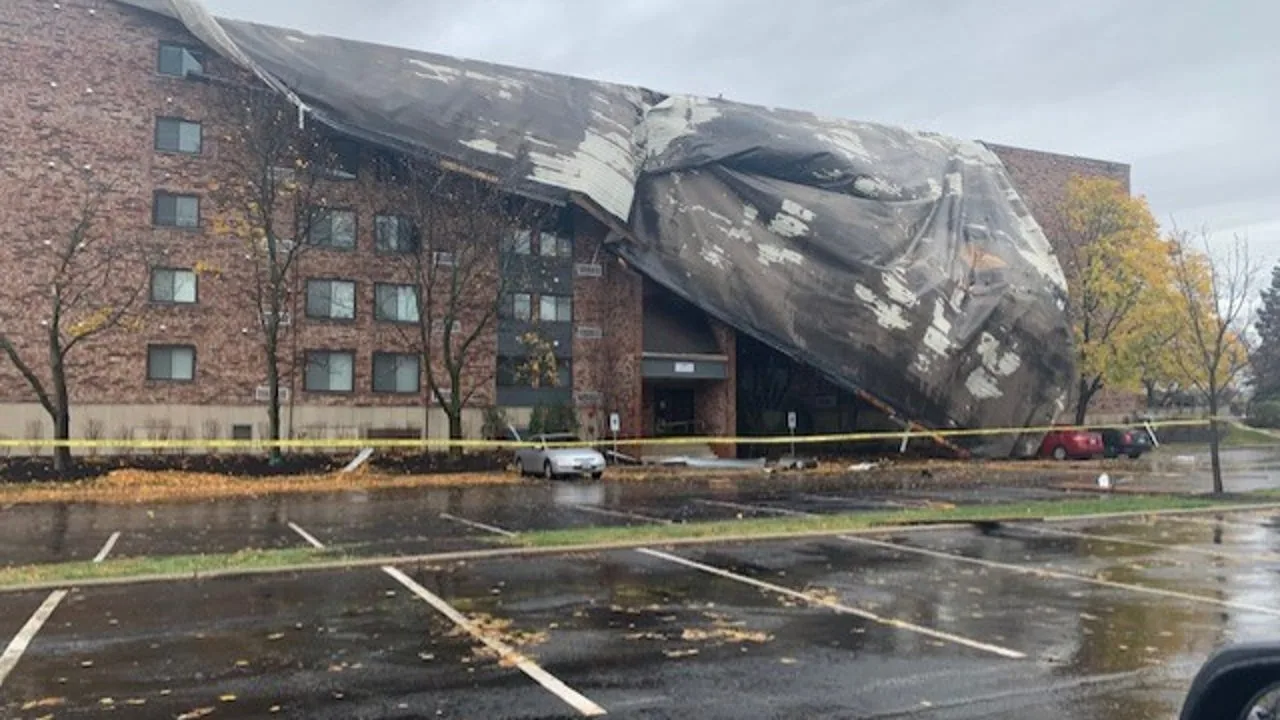
A roof claim file is stronger when the building record is specific. We document the reported event date, affected rooms, roof areas inspected, visible conditions, temporary protection, and repair work completed or still open. Photographs are labeled by location and tied to the inspection notes. This gives the owner a factual package to share with its insurer or adjuster, while keeping coverage decisions with the policy and claim professionals. Our role is to inspect and scope roofing work, not to promise that a claim will be approved.
In Bridgeport, a commercial roof may serve an industrial property, port-related operation, office, or mixed-use building. The documentation needs to show how an observed condition affects that building’s operations and what roof work may address it. We record access limits and note whether a section could not be checked safely. A useful claim handoff distinguishes visible damage from pre-existing wear, suspected moisture from confirmed wet materials, and temporary dry-in from a permanent repair.
Start With the Event and Building Record
Before the inspection, share the date and approximate time of the reported event, when water first appeared, which rooms or operations were affected, and any earlier roof work. A site contact can identify building sections and access procedures. If there are photos from before the event, they can help establish what changed, but the report should not make a comparison unless both records show the same area clearly. We separate the owner’s report from what the crew observes during the visit.
For a claim file, label temporary protection separately from permanent work and identify what remains open for inspection, approval, or repair. We note the reported weather timing and inspect the relevant roof details. If active water continues, the emergency response can document immediate protection separately from permanent work.
Tie Each Photograph to a Roof Area
Pair a roof-zone overview with close photographs of the seam, flashing, penetration, edge, or drain. Each image needs its date, location, and visible condition, without assigning a cause it cannot establish. If a roof surface is blocked or unsafe to reach, that limit appears in the report. An image of a ceiling stain can document the interior effect, but it does not identify the roof opening by itself.
For active or recurring entry, a leak trace can connect the interior mark with the suspected roof path. A broader inspection can document visible conditions beyond one reported area. We can also prepare a roof condition report that groups findings by building section and marks items needing follow-up. These records let the property team share a consistent scope without treating every photograph as proof of a separate repair.
Separate Temporary Work From Repair Scope
Temporary dry-in protects an opening while the building team coordinates next steps. It needs its own boundary, materials note, and inspection trigger. A permanent repair has a separate description of preparation, compatible materials, and completed details. If the roof cannot be repaired because the surface is wet or access is limited, the file should say what remains exposed and what condition is needed before work continues. That prevents an emergency measure from being mistaken for a final correction.
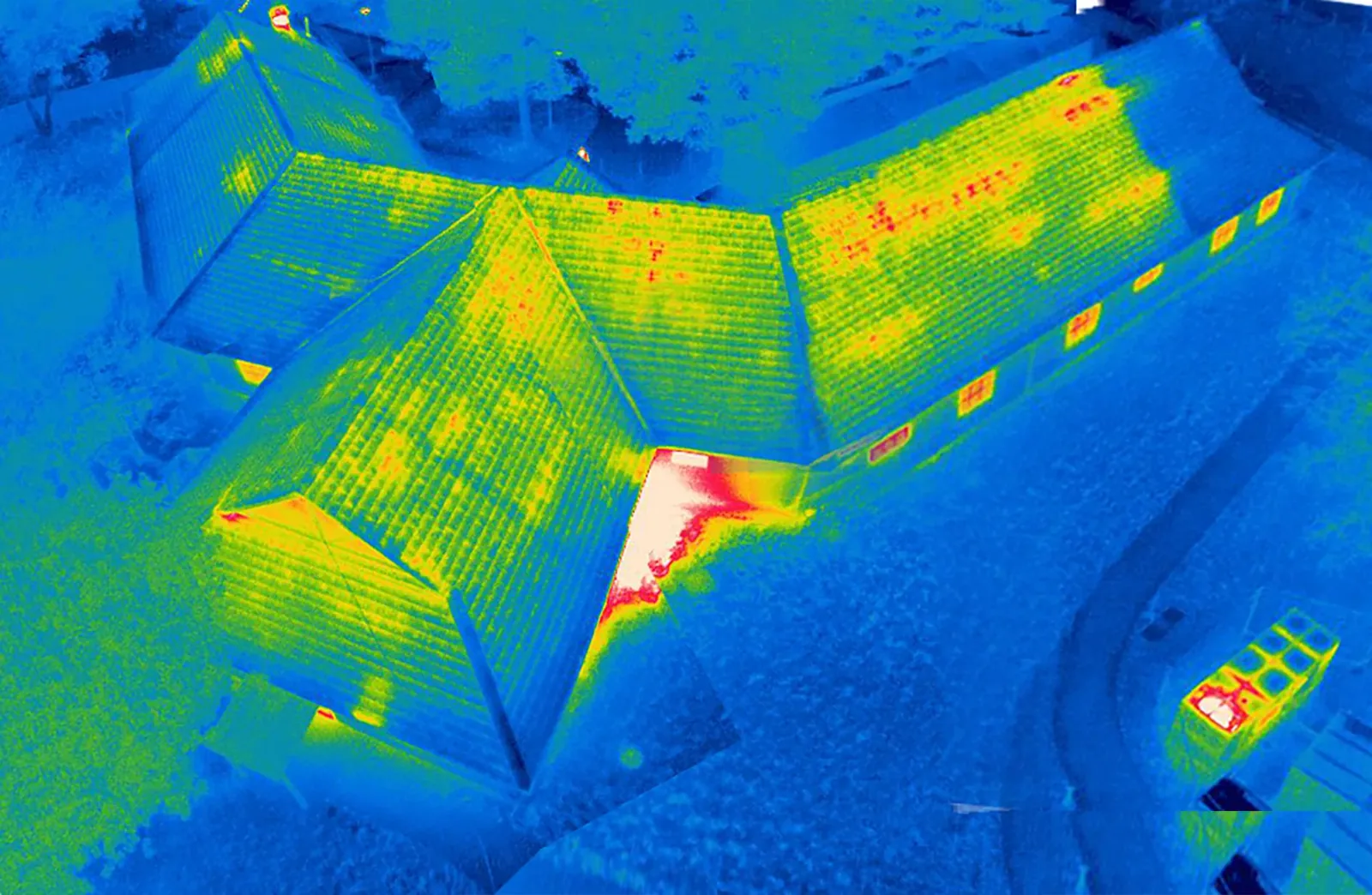
Where a repair is supported by the roof findings, our commercial repair scope identifies the defect and work area. If several sections are affected or moisture extent is unclear, an infrared survey may help direct verification under suitable conditions. The report distinguishes suspected patterns from confirmed findings and notes if a test cut or other method is needed. The insurer or adjuster can then review the documentation against the claim requirements.
Record the Work Boundary for an Active Facility
A roof repair can affect loading, tenant access, equipment, or the occupied floor below. We document where materials were staged, which area was protected, and whether the facility had to limit access during work. Bridgeport combines port operations with commercial and commercial-industrial corridors along State Street, Fairfield Avenue, Clinton Avenue, and The Smile. The city’s mixed operating patterns matter for access planning, not for assigning a loss to any one property. For a Stratford or Milford claim, tie the location to that property’s roof plan.
Keep each claim tied to the inspected address, roof plan, and affected area. We state which rooms were checked, which remained inaccessible, and whether follow-up is pending. If the building’s repair process requires a defined work scope, we can provide a location-based description for the owner to use in its review. Approval and coverage remain matters for the policy and claim decision-makers.
Keep Findings Within What Was Observed
A report should state what the crew saw and what remains uncertain. A displaced edge, open lap, puncture, or damaged flashing can be described by roof area and photograph. Concealed moisture, structural capacity, and the timing of a defect may require additional evidence. We avoid converting a visible condition into a definitive cause unless the inspection supports it. When records show a prior patch or recurring leak, the file can note that history and explain how the current finding compares.
Bridgeport requires a zoning plan for many building repairs and alterations; commercial and industrial submissions include building information and a written work scope. That process is separate from insurance review, but a clearly bounded repair description can help the owner coordinate both. The roof survey record can organize condition findings for a larger property decision. We will also list any open test, repair, or follow-up visit so the claim file does not imply that unresolved work has been completed.
Provide a Usable Claim Handoff
The final package can include a summary, dated roof photographs, the affected zone, temporary work, repair details, material descriptions when confirmed, and open questions. We identify the next inspection trigger, such as a return after suitable weather or a check of an area that could not be reached. The owner can share that record with its claim representative and keep a copy with the maintenance file. If additional information is requested, we can clarify the roof scope based on the inspection notes instead of reconstructing the work from memory.
Send the policy contact’s requested format, event timing, building plans, repair records, and site access instructions before the visit. For a property in the Bridgeport service area, we will map the roof findings to the building operation and return a written account of completed and pending work. The document will support the owner’s review without replacing coverage interpretation or promising a claim outcome.
Questions and Answers
Will a roofer know whether the insurer will cover a roof claim?
No. Coverage depends on the policy and the claim review. We document the roof conditions and work scope we inspect or perform. The owner submits that record through the insurer’s process and directs coverage questions to the claim representative.
What should be included in a roof damage report?
Include the reported event timing, affected interior area, roof zone, dated photographs, observed condition, temporary measures, repair scope, and any unresolved inspection limit. The report should separate a visible defect from a suspected cause or concealed condition.
Should temporary dry-in be listed separately from permanent repair?
Yes. The record should state where temporary protection begins and ends, what it addresses, and when it must be checked. Permanent work has its own description of preparation and completed repair so the two steps are not confused.
Can you document an area that could not be reached?
We can identify the roof section, why access was limited, and what arrangement or condition is needed for a follow-up. That gives the owner a precise open item instead of an unsupported statement that every roof area was inspected.
What should we send before a claim inspection?
Share the event timeline, affected rooms, roof plan, prior repair notes, insurer-requested format, and site access rules. Include safe photos of active conditions and identify any operation or inventory that needs protection during the visit.
Related Roofing Work
Build a Clear Roof Record for the Claim File
Send the event timeline, affected areas, roof plans, prior repairs, and any format requested for the inspection. We will document what was observed, what work is complete, and what still needs review.