
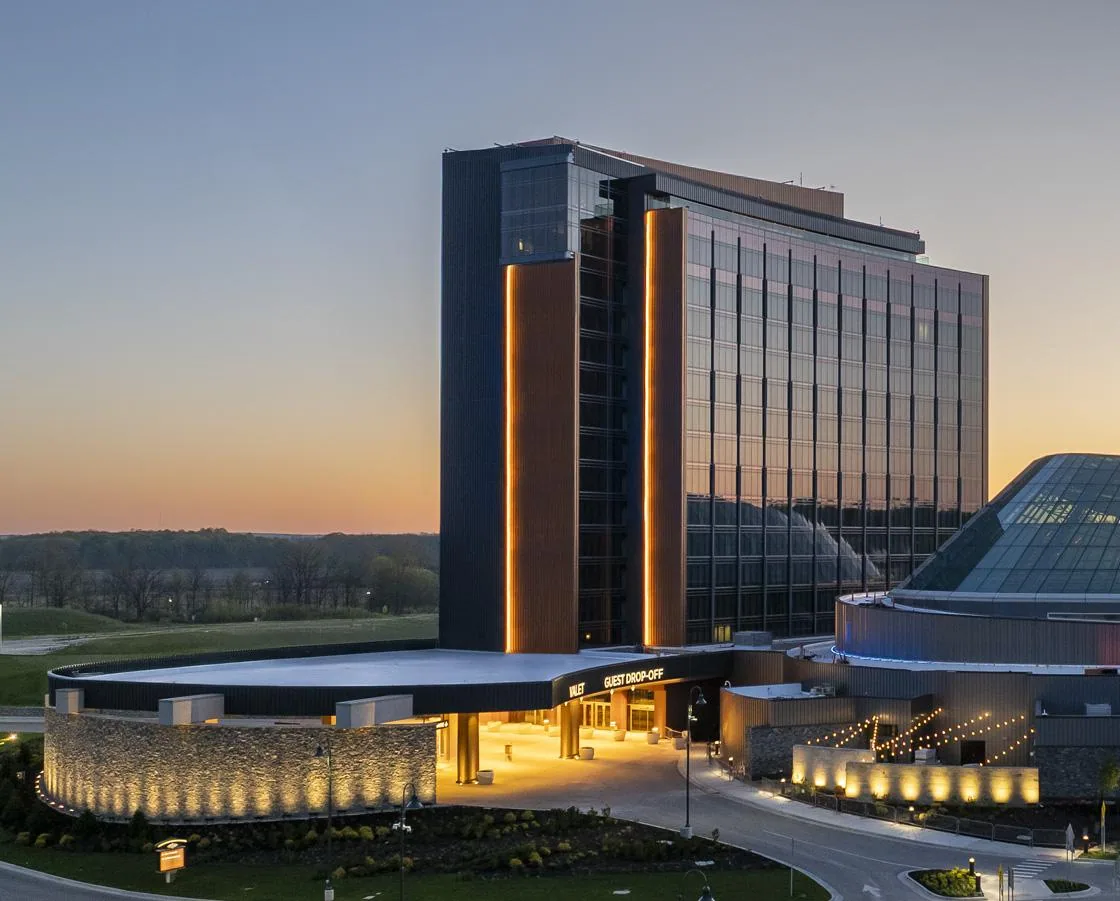
Commercial Roofing for Hospitality Groups in Bridgeport, CT
Coordinate hotel roof inspections and repairs around guest rooms, event schedules, service access, and clear handoffs in Bridgeport, CT.
A guest-facing roof repair starts with the room or service area below it. We confirm whether water is near an occupied room, kitchen, meeting space, or back-of-house corridor, then map the quietest access path and safe staging point. Downtown priorities include office, retail, mixed-use development, and transit connections; waterfront priorities include dining, recreation, mixed use, and low-impact industry. A hotel manager needs a building-specific work sequence that protects guest movement and keeps staff informed. We include a front-desk contact, a staff route, and a room-release check before access reopens.
We inspect the roof area above the report and follow likely entry paths through seams, drains, curbs, wall transitions, and penetrations. The field record identifies what was observed, what could not be reached, and which next step is supported. A hotel roof inspection can organize routine condition work. For active water, leak tracing follows the physical path before the permanent repair boundary is set.
Plan Around Guest and Staff Movement
Before the crew arrives, the hotel contact identifies check-in peaks, event hours, service deliveries, housekeeping routes, and rooms that cannot tolerate noise or ceiling access. We agree on roof entry, lift or ladder use, material movement, and an exclusion zone below. The staging location must not block a guest entrance, kitchen receiving, or emergency route. If a work window crosses a change in occupancy, a named contact should confirm whether the area can remain under the same boundary.
Bridgeport's Port supports cargo and ferry activity as well as fishing and recreational boating. A hotel roof walk starts with the actual guest entrance, receiving route, occupied rooms, and rooftop equipment schedule. A property management team may coordinate several buildings, while a restaurant or retail operator may share delivery constraints. We still confirm the individual site's access rules before selecting a work sequence. If roof access crosses a service corridor, we note where carts can pass and when housekeeping needs the route back. If an event team is setting a room below the repair, we identify a separate path for staff, equipment, and debris so a small roof task does not become an unplanned room closure.
Inspect Water Paths After a Wet Cycle
Bridgeport averages 33.6 inches of snowfall annually. For a hotel or food-service property, clear roof access and a protected loading route can matter as much as the repair sequence below. For a hotel, that local baseline makes a post-thaw drainage check worth scheduling. They do not identify the source of a ceiling mark. We compare the reported room with the roof above it, follow the slope and water path, and inspect nearby flashings and penetrations. Any surface that is wet or icy remains outside the walk until it can be reached safely.
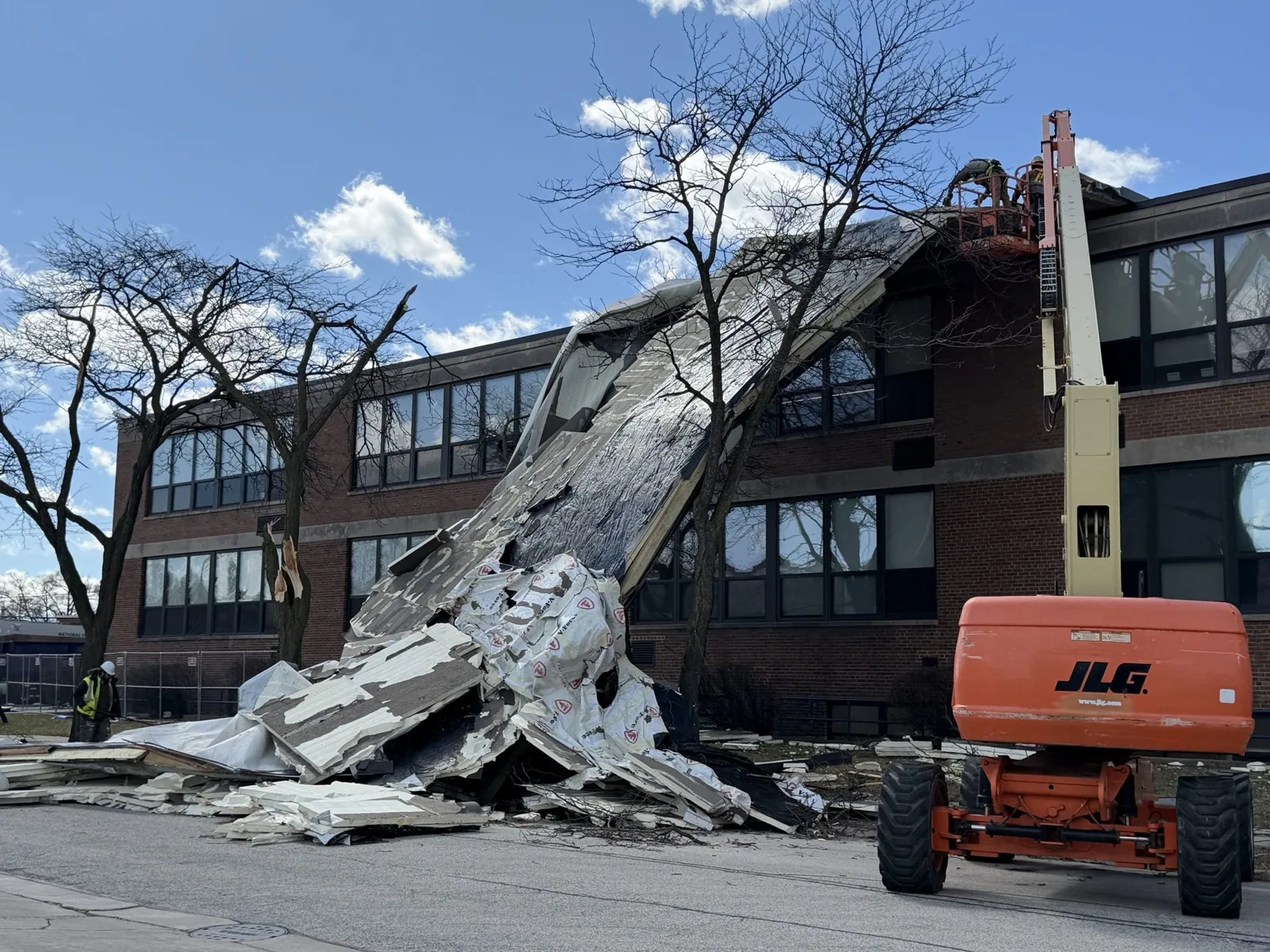
If a guest room or service corridor has active water, staff should protect people and contents under their operating procedure while the roof scope is arranged. A temporary dry-in may help limit exposure, but its boundary and return trigger need to be written down. A drain and scupper inspection can check the outlet path, while a wind-damage review can document edge or flashing conditions after a weather event.
Keep Permanent Repair Separate from Temporary Cover
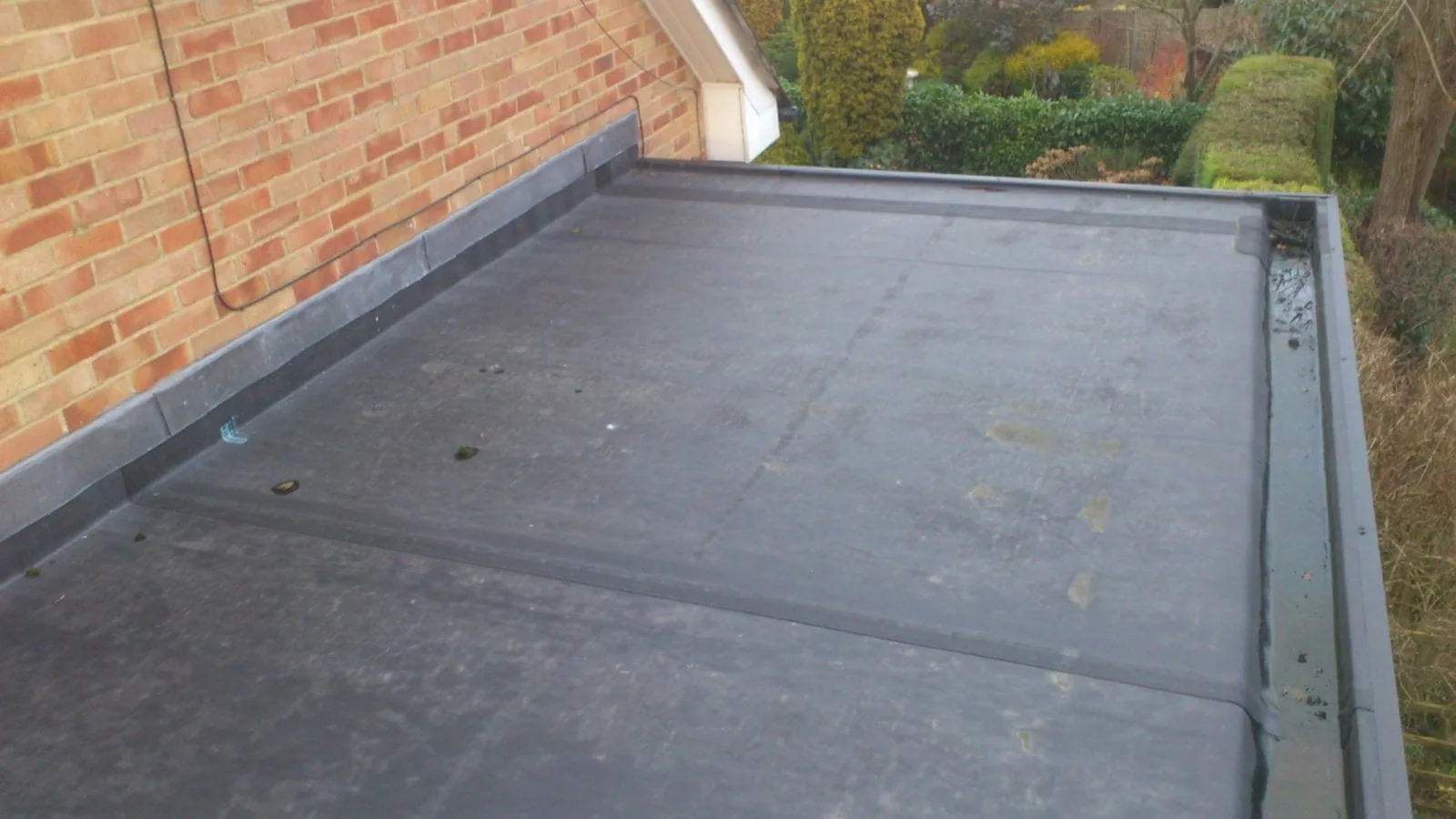
A short-term cover should not obscure the detail that needs permanent correction. We record the roof assembly, existing patches, surface condition, and any nearby service equipment, then choose a compatible method. A split seam, open curb, failed termination, or damaged membrane section each has a different preparation step. If moisture appears to extend beyond the visible opening, testing may be needed before the repair area grows.
Hotels can have several roof levels and equipment zones, so the report labels each one separately. A rapid response may secure an active opening, then a permanent repair scope can identify materials and closeout. For broader deterioration, a replacement assessment states which sections were reviewed and what evidence supports the capital option. The schedule should account for cure time, guest access, and any required return to verify the work.
Compare Properties Without Blending Conditions
A hospitality group may need a regional view of roof priorities, but each property's operating conditions belong in its record. We note the address, roof section, photo location, access limits, occupancy concern, and repairs completed. One hotel may have a single flashing issue; another may need moisture testing or a staged replacement. The summary can group work by urgency while keeping the recommendation and evidence attached to the inspected building.
Stratford and Fairfield are nearby towns that may fall within a regional maintenance schedule. Their town centers are about 3.6 and 4.1 miles from Bridgeport, respectively, but distance does not make one property's roof condition evidence for another. A multi-site roof schedule can coordinate visits, and a written condition report gives management a comparable record. We identify which issues can be handled together and which require a separate guest or access plan.
Return the Building to Its Operating Plan
At closeout, the facilities contact should know what was repaired, when roof access ended, whether temporary protection remains, and what area needs follow-up. We provide labeled photographs and state the next inspection trigger. If a section was not inspected, we note the reason and the access or weather change needed for another visit. The hotel manager can then release any interior restriction with a clear understanding of what work is complete. We can list the room or service zone affected, the roof access route used, the dry-in status, and the person who confirms the interior is ready for normal occupancy. That keeps a roof closeout useful to both operations and ownership.
Share the address, occupancy schedule, event calendar, roof plans, equipment access, and the affected room or service area when arranging a Bridgeport hotel roof visit. We will coordinate with facilities and return a written scope that separates immediate protection from permanent work. That gives ownership a record suitable for the next planning meeting and gives on-site staff a practical way to report a change.
Questions and Answers
Can roof repairs be scheduled between guest stays?
A short repair may fit a lower-occupancy interval if the roof access route, material staging, and work boundary are safe. We review rooms below, service needs, noise, and any event schedule with the manager. Larger work may require a planned area closure and a defined dry-in sequence.
What should staff do when water appears in a guest room?
Protect guests and contents under hotel procedures, record the room and time, and tell us whether water is active. Avoid treating the ceiling mark as the roof opening. We inspect above and around the likely path, then document the temporary measure and permanent repair separately.
How do you coordinate roof access with hotel operations?
We confirm roof entry, service lifts or ladders, deliveries, event hours, and the contact who can authorize a change. The crew identifies staging and the area below that may be affected. If guest movement conflicts with a lift or material route, we set another work window.
When does a recurring leak require testing?
Testing may help when moisture could extend beyond the visible opening or past repairs have not resolved the entry. We first inspect seams, flashings, drains, and nearby penetrations. The report explains what a test could settle before a wider repair or replacement scope is selected.
What should a hospitality group retain after service?
Keep the labeled photos, building and roof-area references, repair boundary, access limits, materials, and follow-up trigger in that property's file. A regional summary can track timing, but it should not blend observations from different hotels. That makes the next inspection easier to compare.
Related Roofing Work
Set a Guest-Aware Roof Work Window
Share the property address, occupancy and event schedule, roof access, affected rooms, and previous repair notes. We will coordinate the work boundary with facilities and return a clear closeout and follow-up trigger.