Commercial Roofing for Insurance Restoration in Bridgeport, CT
Document roof damage, temporary protection, and repair boundaries for insurance and restoration work on commercial buildings in Bridgeport, CT.
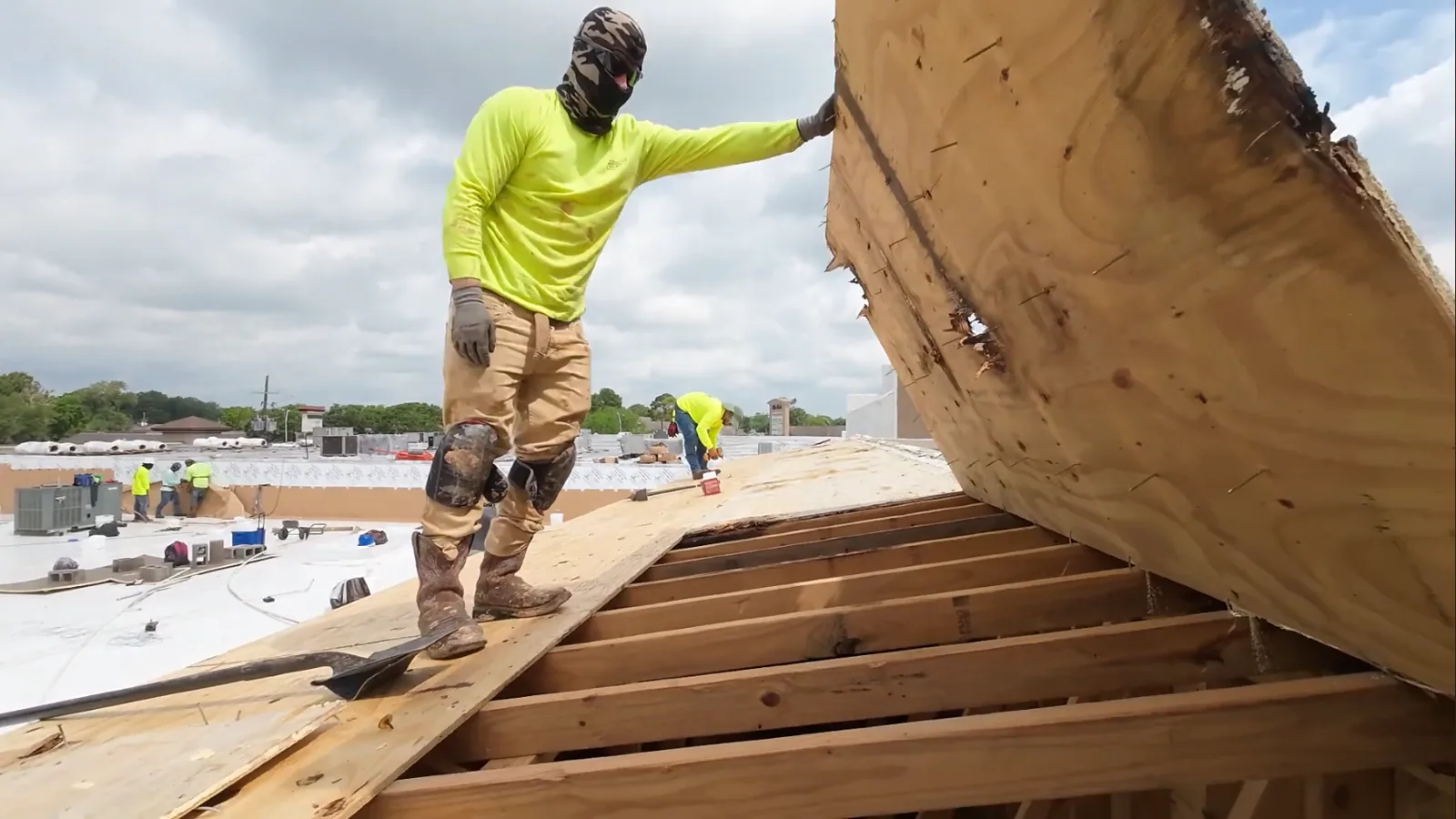
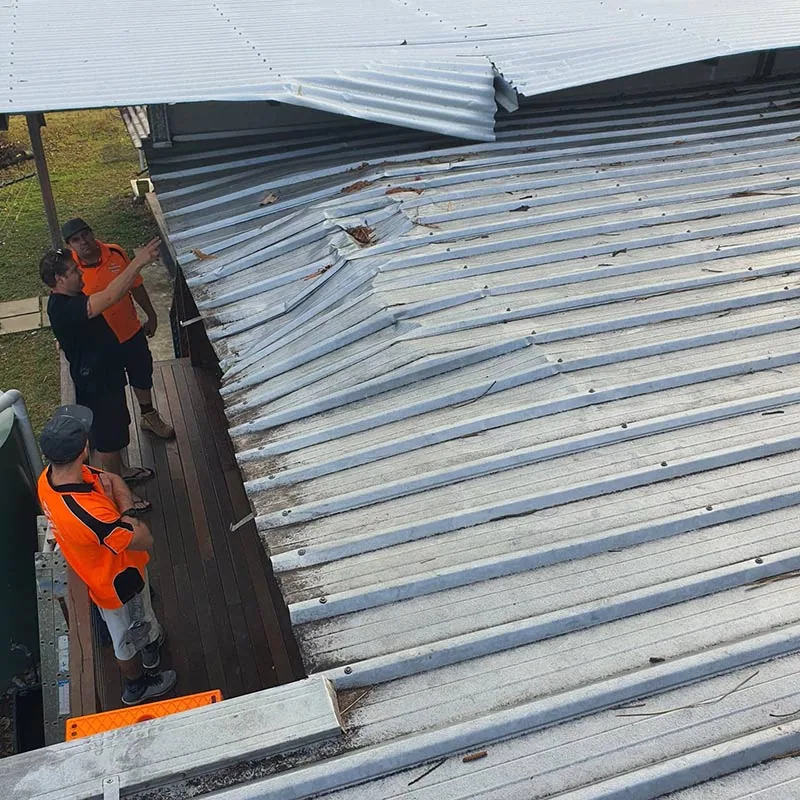
After a roof loss, the first record should identify the building, affected area, and what remains exposed. We inspect accessible roof surfaces, photograph visible conditions, and distinguish completed protection from permanent repair. In Bridgeport, commercial buildings include industrial districts south of I-95 and downtown mixed-use properties. The roof assembly and operations below differ by address, so a useful restoration scope starts with a field boundary, not a single citywide assumption.
Our visit can support a property owner, restoration contractor, or claims professional with a clear record of roof observations. We note the reported event and timing, but we do not treat that account as proof of a specific failure. A commercial roof inspection documents the accessible conditions. If water is still entering, a rapid dry-in response protects the affected area while a permanent correction is evaluated.
Capture the Condition Before It Changes
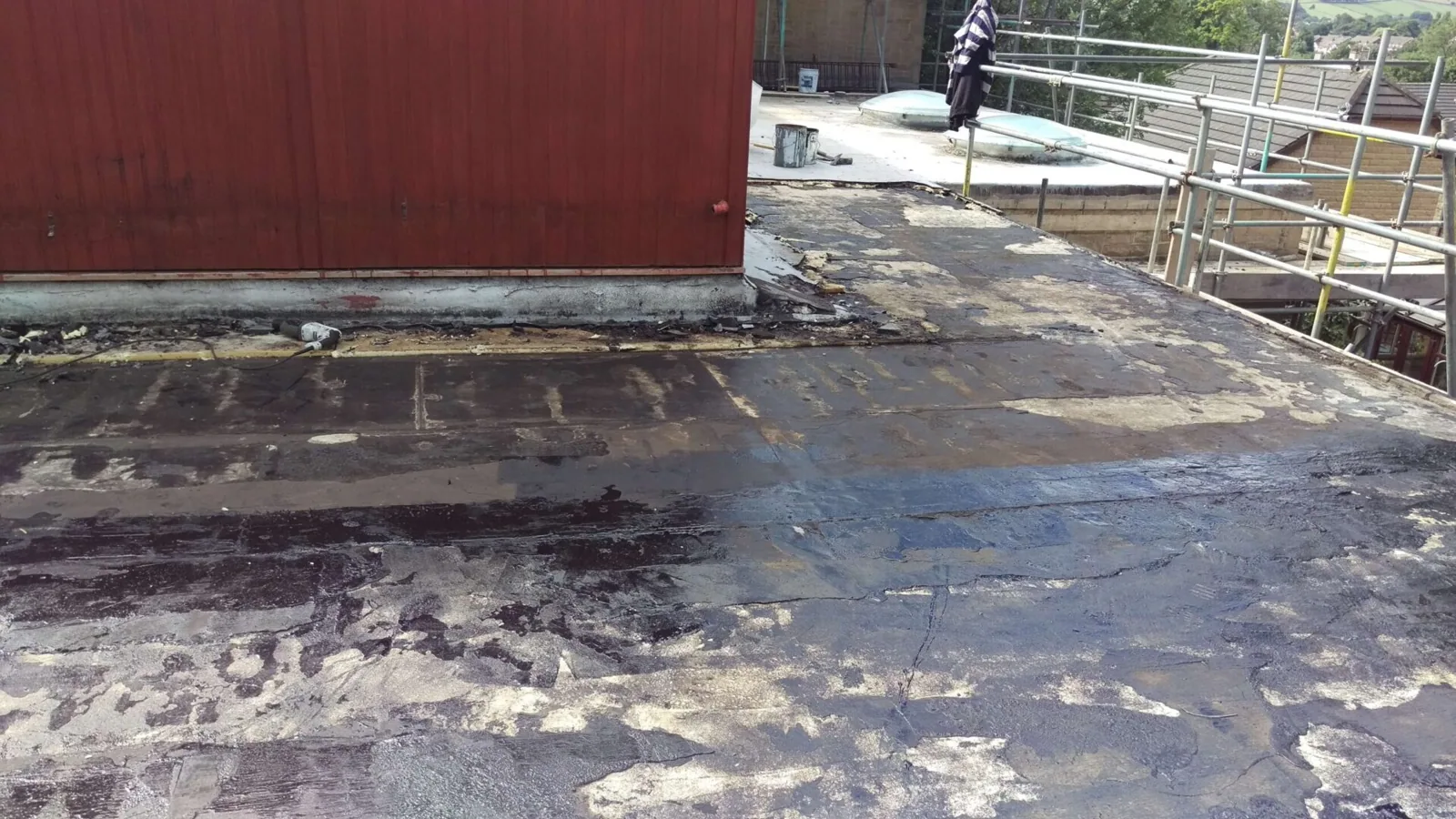
Restoration work can quickly cover or remove evidence. We document the roof area, nearby seams, penetrations, edges, drains, and prior patches before permanent repair changes the surface. Interior photos should identify the room or bay and the time observed. We label images by location and state whether the area was dry, wet, or inaccessible during the visit. That makes it easier to compare the later repair with the original condition without implying a cause the inspection did not establish.
Bridgeport averages 44.09 inches of precipitation annually and 33.6 inches of snowfall. Restoration teams should record the dry-in limit and the condition that will reopen permanent roof work. Those measures help frame a weather-related inspection window, but they do not determine whether a particular detail failed. We use the reported timing to select roof areas for inspection, then record physical conditions separately. A claim documentation scope can organize photos, observations, repair work, and unresolved questions for the owner and restoration team.
Mark Temporary Dry-In and Remaining Exposure
A temporary cover is a control measure, not the final repair. The crew identifies the protected area, how the cover is secured, what remains exposed, and when it should be checked. If roof conditions are wet, icy, or unsafe, we explain which protection can be placed without adding risk. The interior contact should know whether equipment, inventory, or occupied space remains under observation until permanent work is approved.
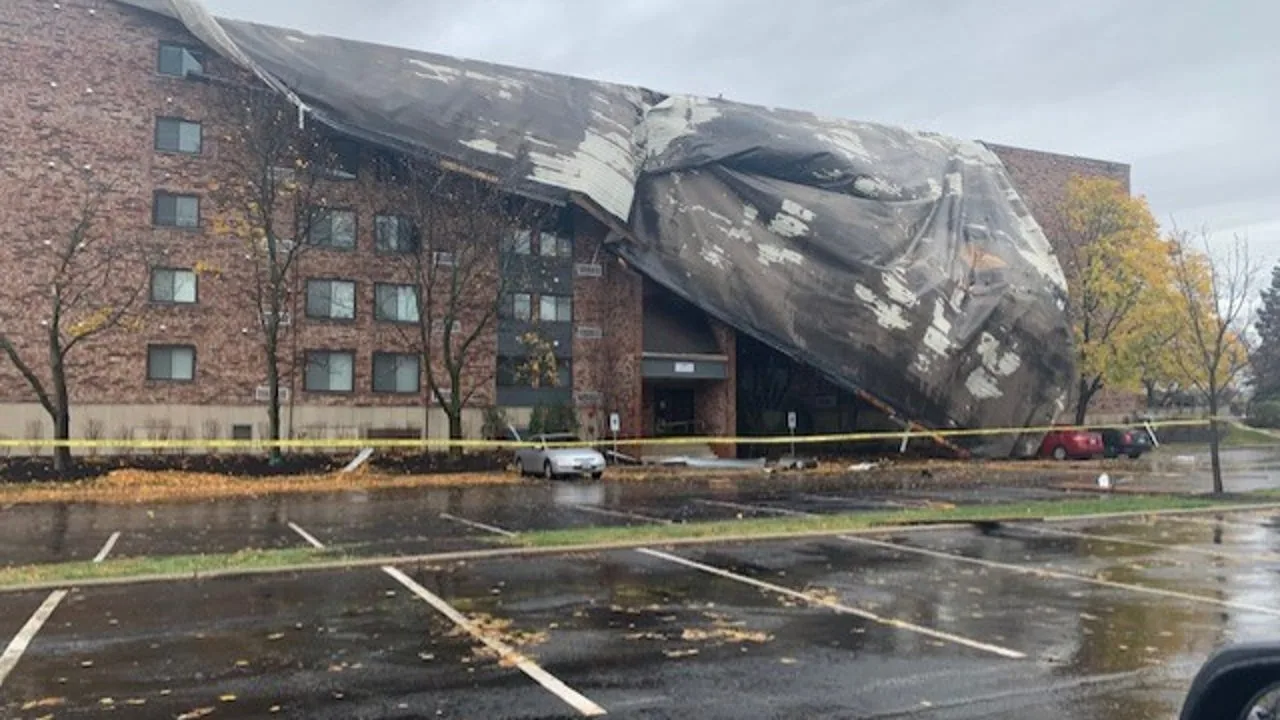
Bridgeport's harbor supports freight and ferry movement alongside fishing and recreational boat use. This surrounding operating context can matter for access planning when a building has active receiving or service operations, but it does not prove what happened on an individual roof. We coordinate staging and protection with the facility contact. If the reported condition followed a storm, a storm damage assessment can document wind or water-related roof observations without extending them beyond what the field inspection shows.
Separate Cause Questions from Repair Scope
A repair scope answers what work is needed to address the observed defect. Cause analysis may require a different investigation, policy review, or testing than a roof walk can provide. We identify the failed or damaged detail, the preparation needed, materials proposed, and the adjacent area to check. If concealed moisture or deck condition remains uncertain, the report names the test or opening that would improve the decision before permanent work expands.
The area called The Smile sits between Railroad Avenue and I-95, and Clinton Avenue is another Bridgeport commercial corridor. Those local references help place the building context, but they do not supply a damage history for an individual property. A defined repair scope states what the roofer can correct; a photo-based condition report preserves the inspection record. We keep the work boundary visible so the restoration team can compare authorization, completed repairs, and any remaining roof concern.
Coordinate the Restoration Handoff
Roofing, interior mitigation, mechanical service, and tenant coordination can happen on different schedules. We identify roof access, staging, interior restrictions, and who will confirm that each space is ready to reopen. A restoration contractor should know whether temporary protection remains and which rooftop equipment may need a separate service window. We record any surface changed by another trade so later photographs do not suggest that an earlier condition is still present.
Property managers can share leak logs and prior scopes, while each building retains its own inspection evidence. A portfolio manager can coordinate dates and contacts; a general contractor can track trade responsibility when roof work is one part of a wider project. Stratford and Fairfield are nearby towns, but conditions recorded there do not transfer to a Bridgeport property. We keep dates, addresses, and work boundaries attached to the actual site. If a mitigation team removes ceiling material or a mechanical contractor moves equipment, we ask for the time and location of that change. The roof record can then be compared with the interior condition as it existed during the inspection. A field sketch showing the drain, curb, edge, and reported room also helps the next visit avoid repeating a search from memory. Those details do not decide coverage, but they make the repair work and its limits easier to verify. We label that boundary on the closeout map.
Deliver a Record That Can Be Rechecked
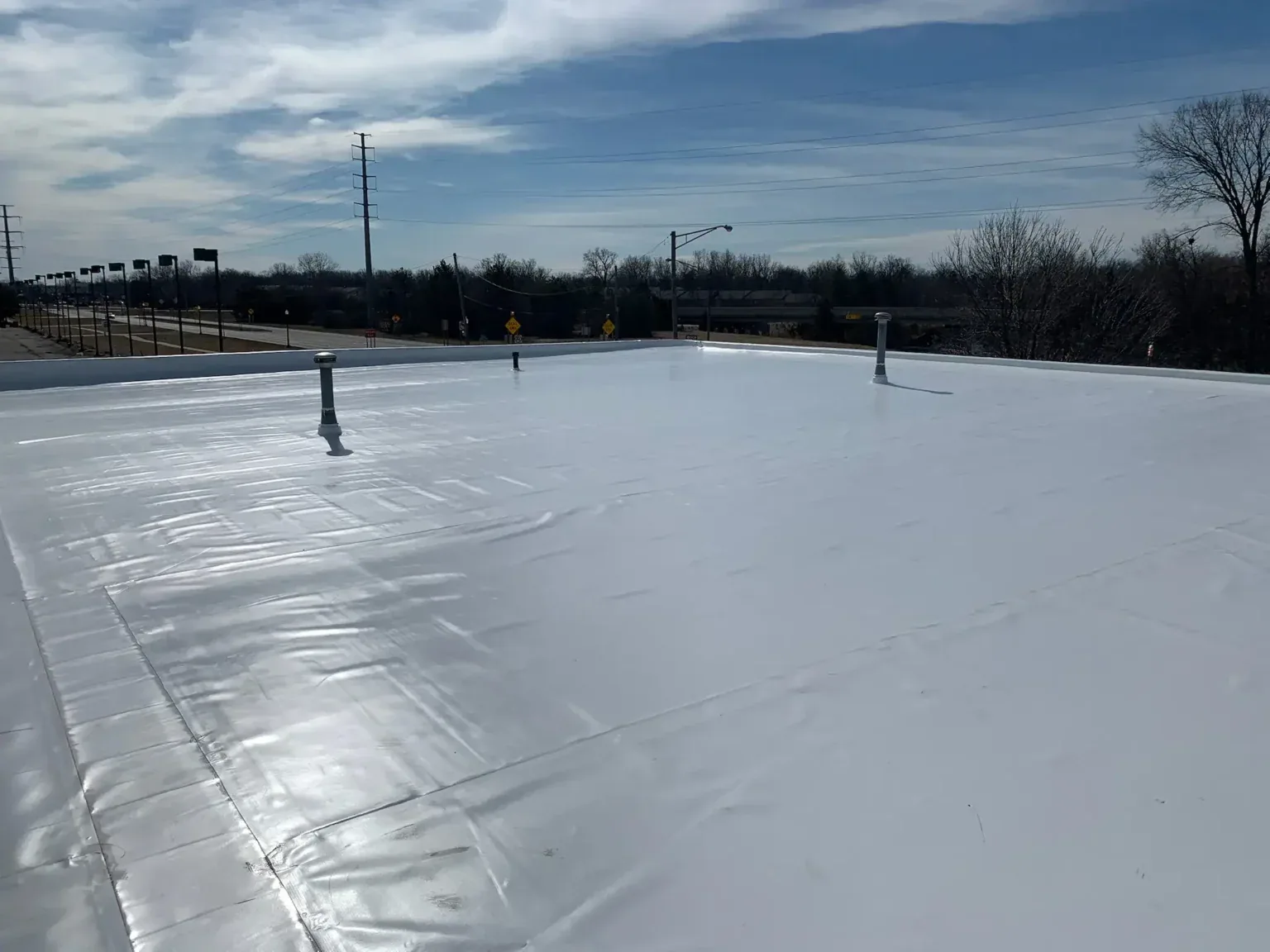
At closeout, we list the repair area, materials, photographs, temporary protection removed or left in place, and any observation that remains open. The record says what was checked and what was outside the scope. If a later visit is needed after rain or thaw, we name the trigger and the section to revisit. That helps an owner compare the repaired condition with future reports without treating one dry-day check as proof of long-term performance.
Share the building address, event timeline, current water status, roof plan, access instructions, and restoration schedule when arranging a Bridgeport roof inspection. We will define the observation and repair boundary, then give the project team a written handoff. The file should make it clear what the roofer observed, what work was performed, and what question remains for the next professional involved.
Questions and Answers
What should we photograph before roof restoration begins?
Record the affected interior area, time, roof section, nearby details, existing patches, and any temporary protection. We label images by location and note conditions that could not be inspected. The photos show what was visible during the visit, not a cause determination beyond the evidence.
Does a roof inspection determine whether a claim is covered?
No. We document roof conditions and repair scope. Coverage depends on the policy and claim review. Our report can separate observed damage, temporary work, permanent repair, and unresolved questions so the owner and claims team can evaluate the record.
When should temporary dry-in be replaced with permanent repair?
The permanent correction can proceed when the defect is accessible and the roof conditions support proper preparation and installation. We record the dry-in boundary and identify any wet, icy, or concealed condition that delays the work. The return trigger should be explicit.
How do you handle a disagreement about the leak source?
We show the roof details inspected, the physical evidence found, and what remains uncertain. Water can travel from its entry point, so the interior mark is only a location clue. Additional testing may be appropriate when the visible path does not resolve the question.
What does the restoration closeout need to include?
Keep the repair location, photos, materials, work boundary, temporary protection status, access limits, and next inspection trigger together. We note whether the area was changed by another trade. That gives the owner a clear basis for rechecking the same roof detail later.
Related Roofing Work
Set a Documented Restoration Roof Visit
Send the property address, event timeline, active water status, roof records, and access rules. We will inspect the accessible area, document temporary protection and repair needs, and return a clear handoff.