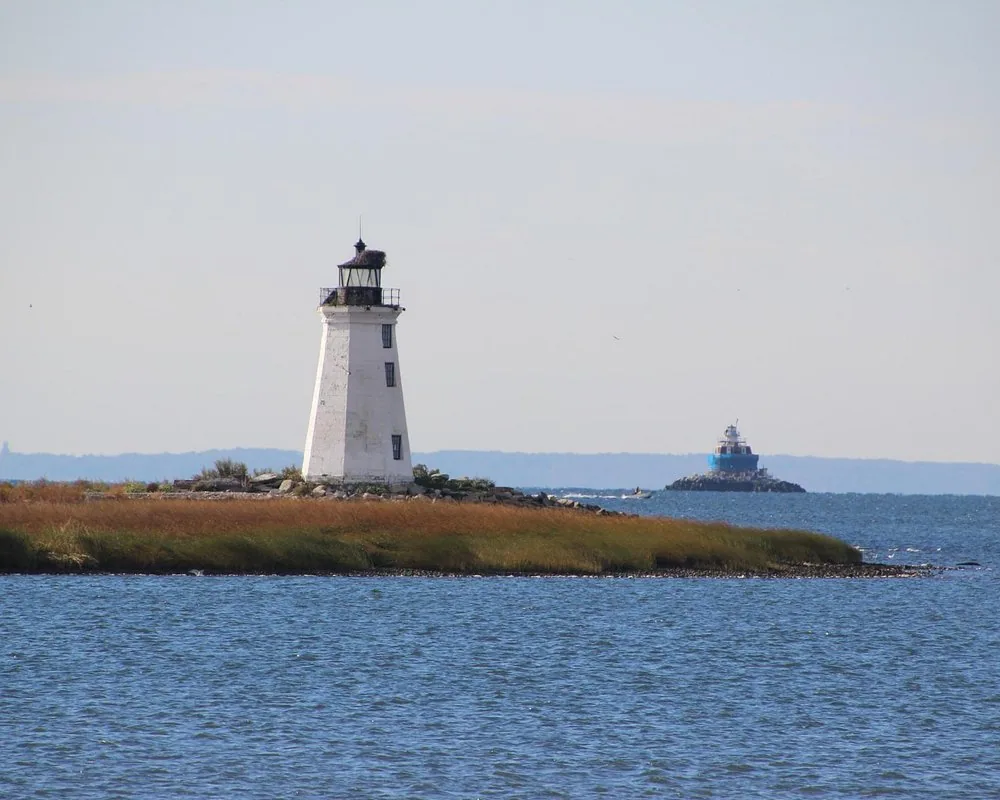
Commercial Roofing in East Haven, CT
Commercial roof repair in East Haven, CT includes tracing water entry, protecting occupied areas, and setting a secure work sequence with the facility team.
Standing water near a roof drain can turn a routine repair into a sequence question. In East Haven, CT, we first locate the reported interior effect, then check the roof path, drainage point, and access window before recommending a correction. The walk separates a blocked outlet from a low area, failed seam, or damaged flashing. That matters because each condition changes what can be repaired in place and what may need to be opened.
East Haven is within our nearby Bridgeport service area, and the building's entry, lift placement, and occupied-floor rules set the roof-walk sequence. Before mobilization, we confirm the facility's access route, loading window, and operating limits with its contact. We confirm the route to the roof, lift placement, occupied areas below, and the person who can approve a change in scope. A commercial roof inspection records those constraints beside the roof findings rather than treating access as an afterthought.
Read the drainage route
A drain bowl, strainer, and overflow route form a working path that has to remain open during roofing. We check whether debris is blocking the inlet, whether the bowl is secure, and whether water can reach it from the surrounding low areas. If ponding remains after an outlet is clear, we review slope, insulation, and deck conditions instead of assuming the drain alone is at fault. The repair scope identifies which part of the path is confirmed to be failing.
At the Bridgeport station, the annual precipitation mean is 44.09 inches and snowfall averages 33.6 inches. On an East Haven roof, we inspect the actual drain, slope, and edge transition before choosing a work window. We inspect the actual water path and note any seasonal debris, ice movement, or low point visible at the property.
Protect the rooms below
Interior protection begins with a precise location. We confirm which room is affected, whether equipment or inventory sits beneath the repair zone, and who can approve temporary movement or covering. The crew then follows a safe route from roof access to the work area without blocking a required exit or equipment path. If the floor remains occupied, notice and noise limits are included in the work window.
We agree on the staging zone, lift or ladder point, and debris route before material is carried onto the roof. A surface that appears convenient may be a delivery lane or a service route that cannot be held. The site contact confirms any reservation and the times when it can be used. Those details help the field sequence stay inside the approved area, even if a concealed condition requires a short pause or a revised repair boundary.
Repair the confirmed detail
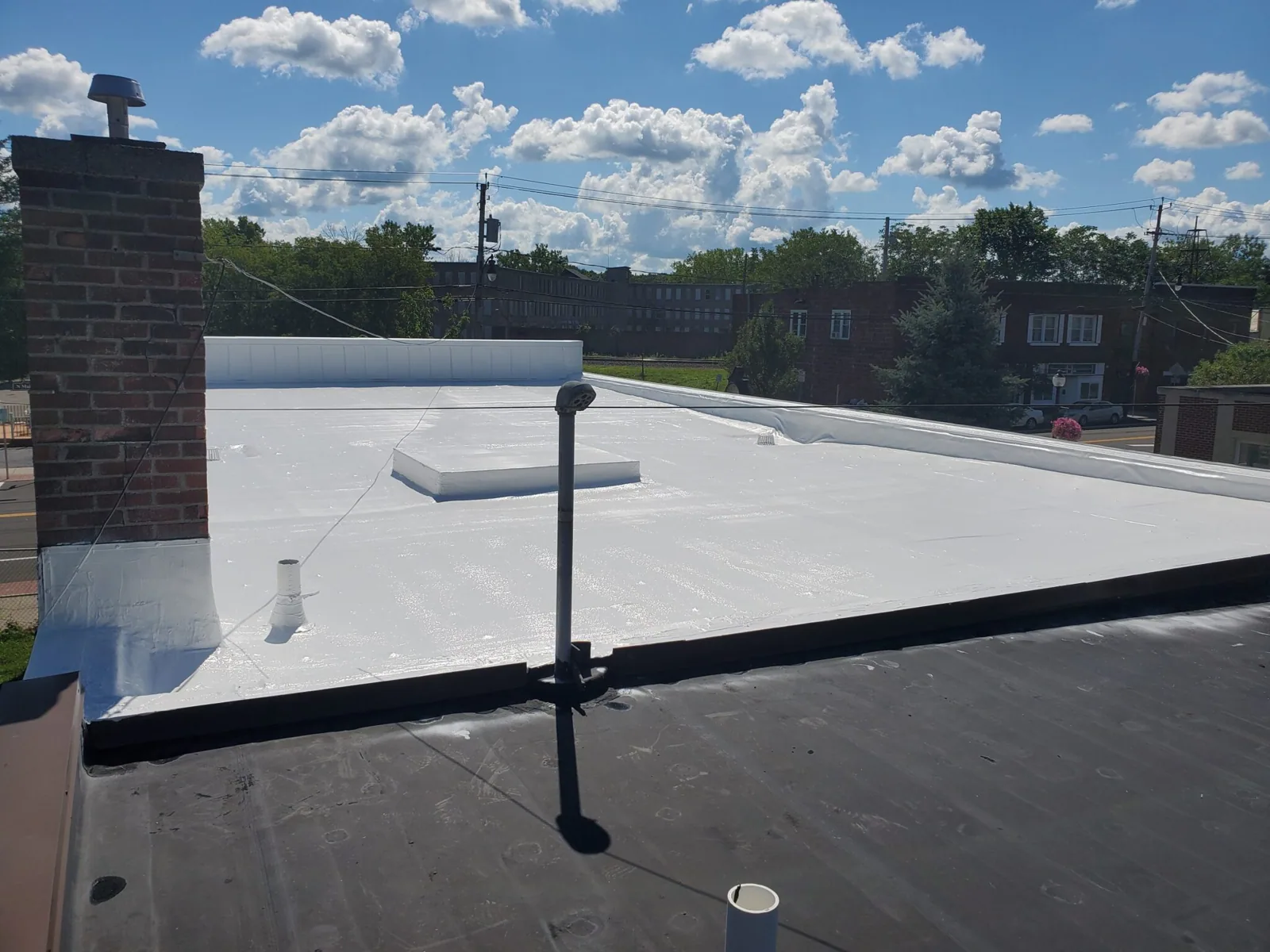
Once the water path is narrowed, we match the correction to the roof system. A membrane patch must be compatible with the existing surface, and the repair area must be clean, dry, and stable enough to receive it. For a flashing defect, we inspect the termination and substrate before choosing a new seal, metal correction, or membrane transition. The repair plan states what will be removed and how the new work will tie.
Where seams or wall transitions have separated, applying sealant over a moving or poorly attached joint can leave the cause untouched. We check fasteners, cleats, laps, and adjacent areas for movement. A seam failure repair is appropriate when the joint is the confirmed defect; a different scope may be needed if the insulation or deck below is wet. The Diligence Notes make that distinction visible for the owner.
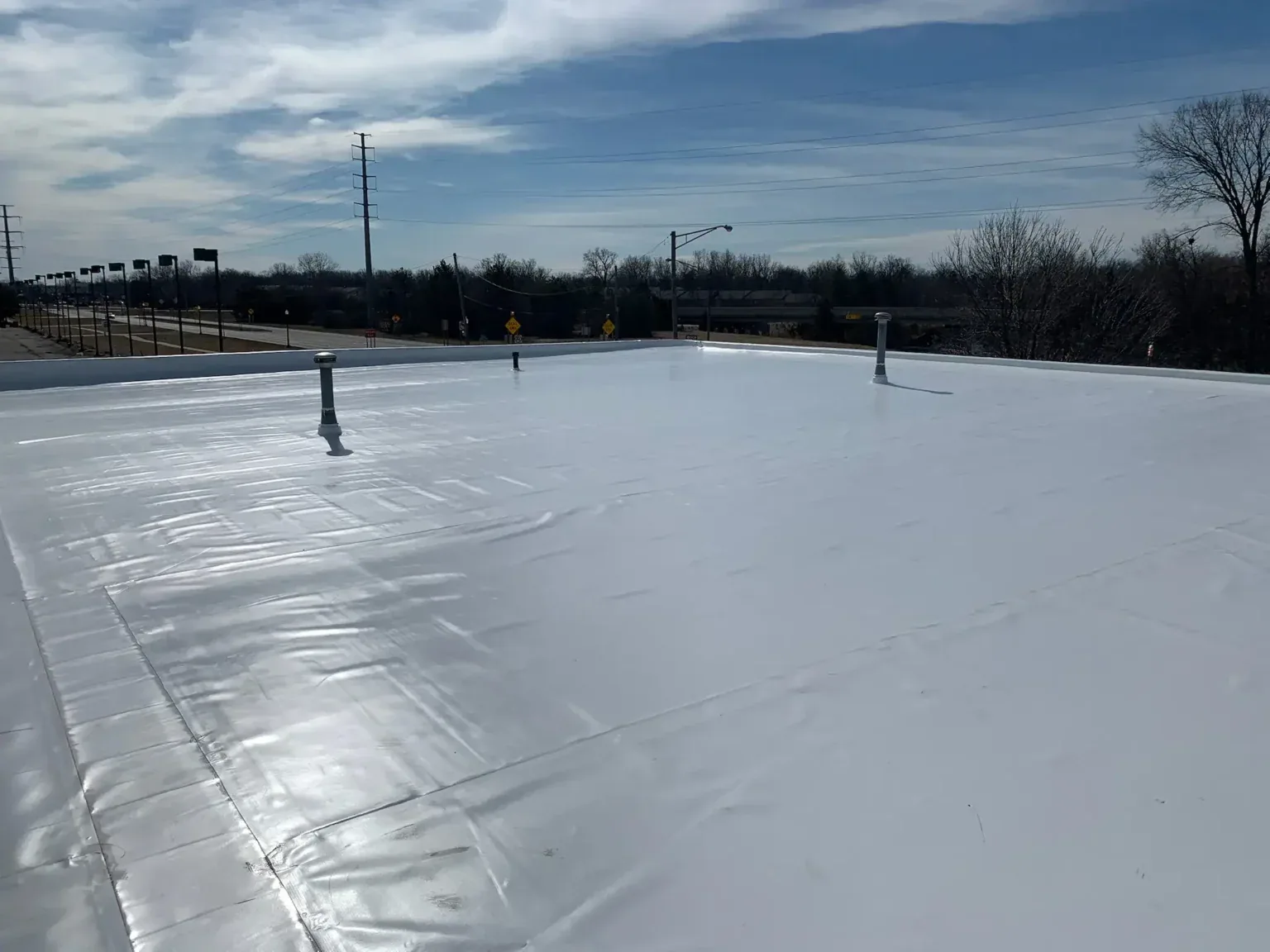
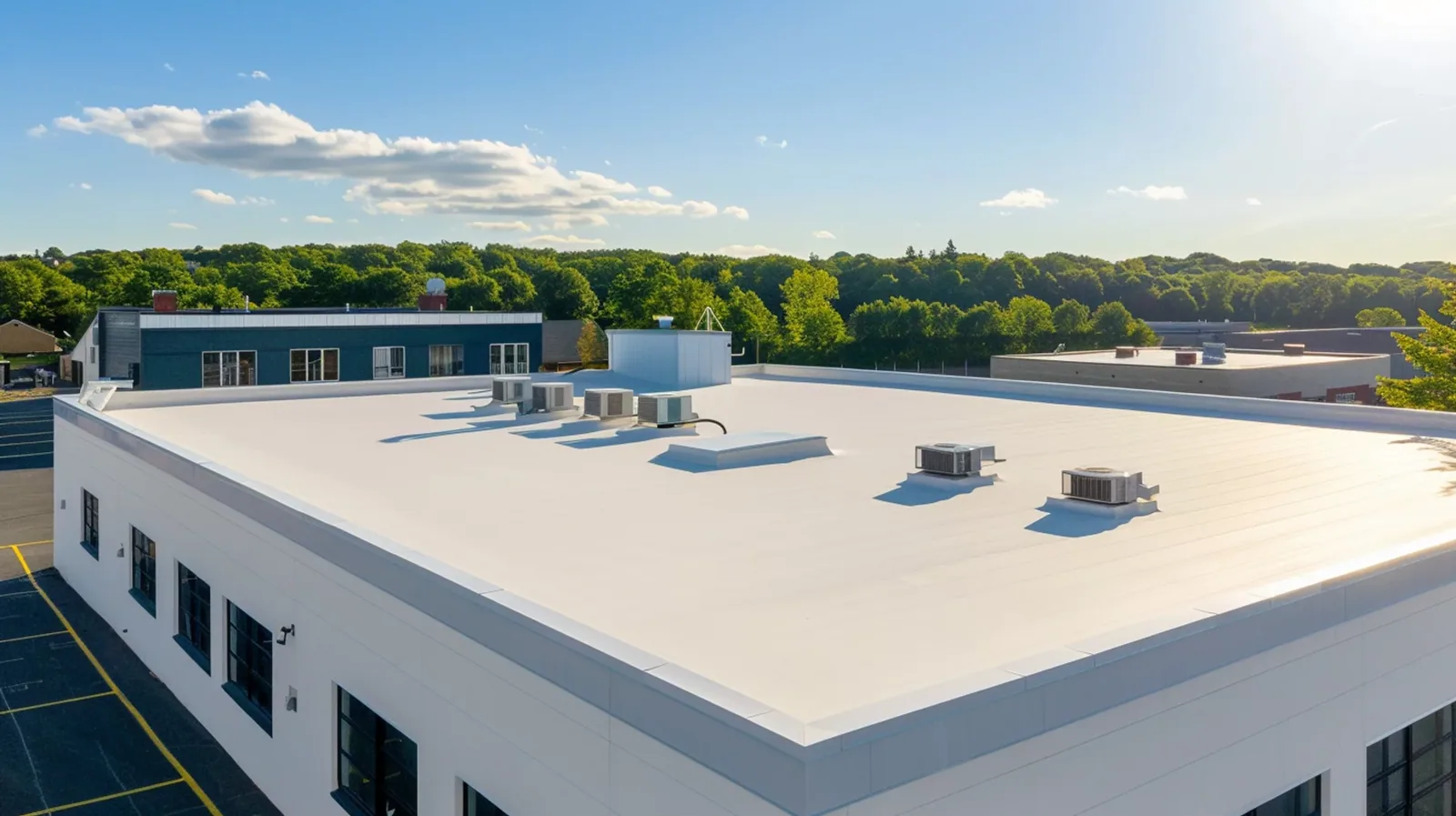
Before covering a repair, we review the new tie-in, nearby drainage, and any equipment clearance affected by the work. If a later trade needs to cross the repaired zone, the closeout record shows the route and the detail to protect. A PVC roof assembly or another membrane has its own preparation and compatible materials, so the specified system is recorded rather than inferred from appearance alone.
Set the repair limit
One isolated defect with sound material around it may support a contained repair. Multiple wet areas, recurring water entry, widespread seam separation, or soft deck can change the decision. We mark confirmed conditions by roof zone, then identify which observations need further investigation. The owner can compare a limited repair with a phased replacement using the same boundaries and a clear list of assumptions.
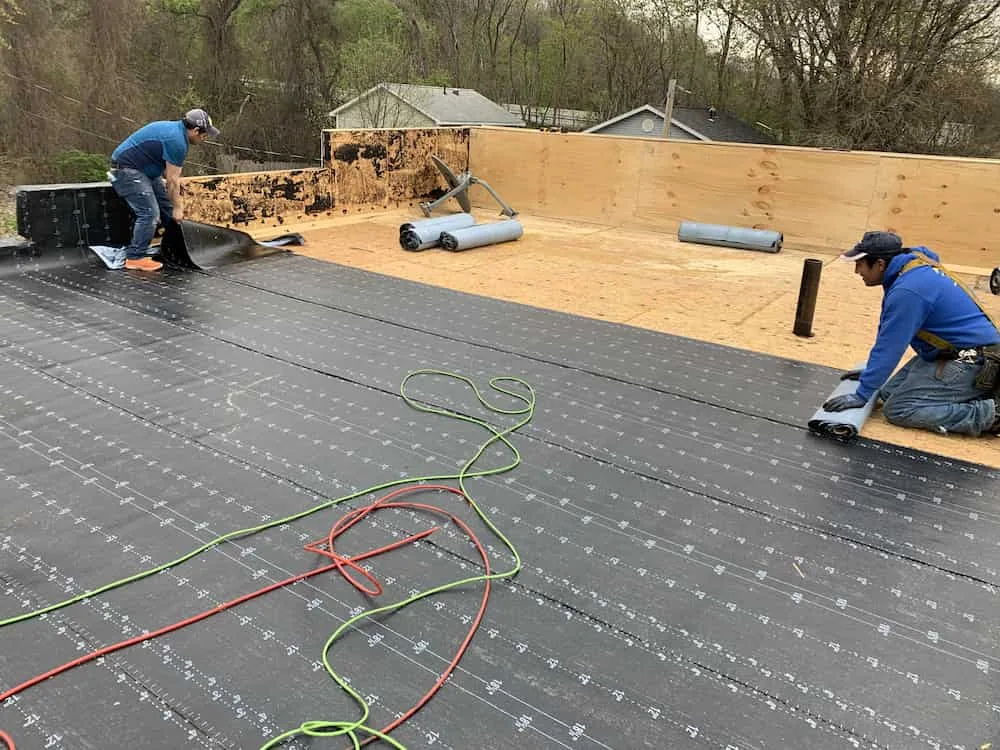
Timing and cost depend on removal depth, insulation, deck repair, edge details, access equipment, disposal, and the number of safe work zones. A coating is not a substitute for wet insulation or unstable attachment. An overlay review checks whether existing layers are suitable to remain, while a replacement plan sets the removal and dry-in sequence. We state the work included and the condition that would require authorization before the scope expands.
For continued monitoring, a roof record should note drain condition, seam locations, and the repair points that deserve another look. A roof condition report groups the findings and distinguishes a confirmed repair from an area that remains uncertain. That record can guide the next inspection instead of relying on a memory of where water appeared indoors.
Close the loop with the facility contact
Closeout names the roof zone, the observed condition, the materials used, and the limit of the correction. Photographs show the detail in context, including the drain or seam nearest to the repair. We note whether the correction is permanent or temporary and list any remaining observation. If the roof remains under review, the next inspection trigger is stated so a future handoff can start with the same information.
Measured between Census town centroids, East Haven is approximately 19.0 straight-line miles from Bridgeport. It falls inside our usual 25-mile range; route conditions, arrival instructions, and roof entry are confirmed for each property. Direct inspection decides whether a repair surface is dry, whether the drain is clear, and whether a permanent tie-in can be installed safely.
Before the roof walk, gather the leak timeline, interior locations, roof plan, access limits, and prior work notes. We will trace the reported path, set a safe work boundary, and document what remains. Owners coordinating work in Bridgeport, New Haven, and Milford can use one scheduling contact while each building keeps its own roof map, operating window, and closeout record. For recurring service, the maintenance program can put drain and edge checks on a defined schedule.
Questions and Answers
How do you tell whether ponding is caused by a blocked drain or low slope?
We inspect the bowl, strainer, outlet, overflow path, and surrounding surface. If the outlet is open but water remains, we review slope and assembly conditions. The report separates what we observed from what would require a test opening or further drainage review.
Can work continue while a building remains occupied?
We set the work zone, access route, noise limits, and interior protection with the facility contact. The sequence can be divided into roof areas with a secure stopping point for each shift. If a condition changes the plan, we pause at a dry-in boundary and confirm the next action.
What if water enters again after a repair?
We compare the new location and timing with the original roof record, then inspect the path again. A new leak may come from another detail or from an unresolved condition near the first repair. The next scope should identify what was checked and what needs testing before material is added.
When should wet roof materials be removed?
Removal is considered when inspection or a controlled opening confirms wet insulation, damaged deck, or an unstable layer that cannot remain. We identify the area and approval point before expanding the work. The proposed tie-in and dry-in sequence are written so the owner can see how the assembly will be restored.
What information helps price a commercial roof repair?
A roof plan, access details, leak history, prior repair records, and photos help define the visit. The price depends on the confirmed repair area, material compatibility, removal, substrate work, equipment, and work window. We verify the condition on site and document any change before adding it to the scope.
Related Roofing Work

Map the water path in East Haven
Share the roof plan, leak locations, access rules, and previous repair notes. We will inspect drainage and nearby details, protect the active area, and put the repair boundary in writing.