

Commercial Roofing in Bethany, CT
Commercial roofing in Bethany, CT begins with a site-specific inspection, safe roof access, and a repair or replacement scope tied to observed conditions.
A reported leak in Bethany, CT sets the first roof walk in motion. We confirm which occupied areas need protection, follow seams, flashings, penetrations, and drains, then mark a repair boundary tied to the observed condition. That gives the facility contact a next step for the building in front of us, rather than a scope based on the town name alone.
Connecticut's Coastal Corridor includes both Bethany and Bridgeport, with transportation infrastructure spanning roads, bridges, waterways, ports, and airports. At the property, we confirm the actual delivery route and roof access with the site contact. A commercial roof inspection records the observed assembly, access limits, and next action for the owner.
Confirm the site handoff
Before a crew is scheduled, we identify the person who can admit the team, the safe route to the roof, and any area that cannot be used for staging. The access plan covers ladder or lift placement, fall protection, equipment clearances, material handling, and interior notice. If the building has operating hours that limit noise or movement, we put those hours into the work window rather than leave them to a field guess.
Before transporting material or equipment, we coordinate the appointment with the facility team and confirm roof access, traffic controls, and property rules.
Trace the condition on the roof
An interior stain begins the investigation, but the roof connections above it determine where we look next. We trace from the nearest curb, pipe boot, membrane lap, wall transition, edge, and drain toward the reported area. The field record separates a confirmed opening from a path that remains only a possibility. Photos locate the detail and show nearby conditions that may affect the repair.
If there are multiple layers or old patches, we check the material boundary and the condition of the substrate. Moisture observations help narrow the investigation, but they do not prove a cause on their own. A controlled opening may be proposed if the deck or insulation cannot be assessed from the surface. We explain its location and approval point before cutting, then record what the opening shows and how the result changes the repair limit.
Metal edges and wall transitions need their own inspection. We check attachment, termination, sealant, and the surface that a new flashing will meet. A joint that moves under temperature or wind needs a mechanical correction if the attachment is loose; adding sealant without preparing the joint can mask the condition. The recommended flashing correction should name the detail, material, and adjacent surface to be tied.
Keep the building protected while work opens
A repair plan needs a secure stopping point for every shift. We divide the scope into roof zones and identify what can be opened, repaired, and dried in before work stops. Drainage paths stay open, and temporary protection is arranged to direct water away from the opening instead of trapping it. The facility contact receives an update if weather or a concealed condition changes the planned sequence.
For an occupied building, the roof plan and the interior plan meet at the protection boundary. We confirm which room is affected, where contents or equipment need covering, and who can approve an interruption if water entry continues. If the permanent material cannot be installed safely in the current conditions, we label the temporary measure and explain its limits. The next work window is set around the condition needed for preparation and tie-in.
Coordination with rooftop equipment matters before membrane is closed around a curb or support. The service trade may need a path or a shutdown window, and the roofing sequence has to preserve that access. We list the handoff and verify the final detail after equipment work is complete. This keeps a later service visit from leaving a new opening that is not recorded in the roof history.
Choose the right repair limit
A contained defect with stable membrane and substrate may be repaired locally. Several leaks, wet insulation across multiple areas, recurring seam failures, or deck movement can point to a larger scope. We map the confirmed areas and identify what still needs testing. The owner can then compare an immediate correction, a phased plan, and a broader replacement without treating one leak as proof of the full roof's condition.
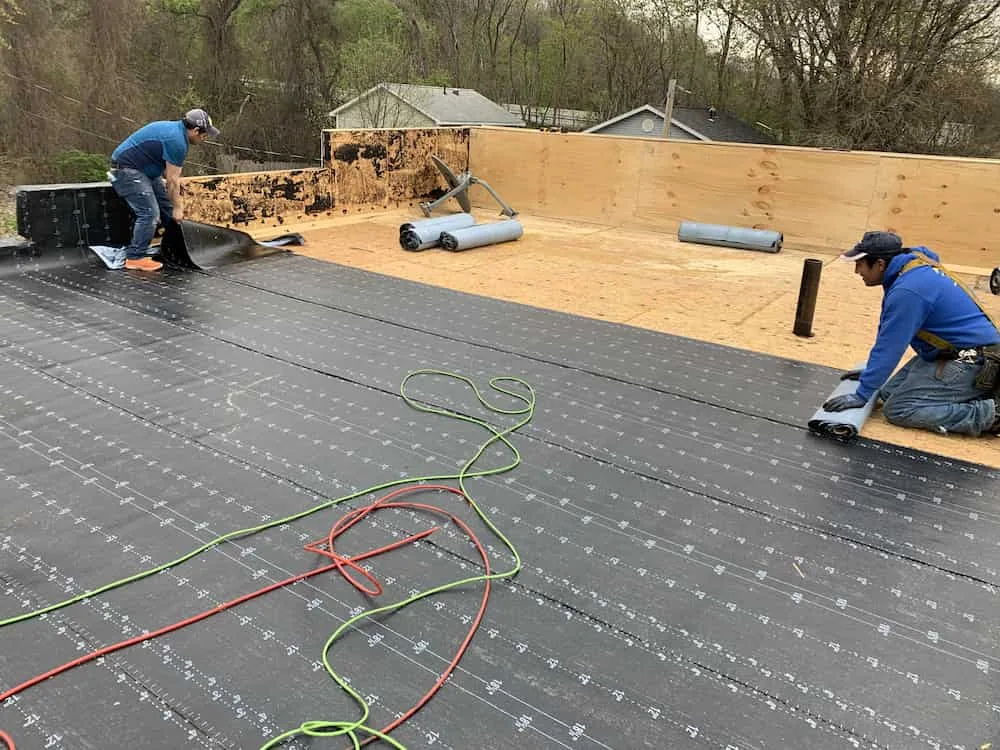
Cost and schedule are affected by the removal boundary, deck repairs, insulation, edge details, material compatibility, access equipment, disposal, and the number of sections that can be protected at once. A coating or recover is only considered when the existing assembly is suitable; neither resolves wet layers below the surface. A recover review checks whether the current roof can remain in place, while a replacement scope defines removal and dry-in where it cannot.
After a leak is corrected, a roof condition report can separate completed work from unresolved observations. We identify the next inspection trigger and the roof area to revisit. That helps ownership plan maintenance around real conditions instead of a calendar reminder disconnected from the assembly.
Make the next inspection useful
The closeout record names the defect, roof zone, preparation, materials, tie-in, and condition of the surrounding area. Photographs show the repair beside nearby seams or drainage details so the facility team can identify the work later. We state whether the correction is permanent or temporary and list any remaining concern. If an observation needs follow-up, the report names what would prompt another visit.
Bridgeport Sikorsky Memorial Airport's 1991 to 2020 normals average 33.6 inches of snowfall and 44.09 inches of precipitation annually. Those regional conditions put drain function and winter dry-in on a Bethany roof's inspection sequence. We check whether a drain is clear, a surface is ready for repair, or water has affected the insulation.
For the visit, prepare the roof plan, reported interior locations, leak dates, prior repair notes, and site access instructions. We will map the condition, define a safe work window, and explain the available scope. Separate roof reviews in Bridgeport, New Haven, and Woodbridge keep each property's findings tied to its own access and roof conditions.
Questions and Answers
How do you scope a roof when the building history is incomplete?
We start with the current assembly, visible repairs, leak locations, and any plans or invoices the facility team can provide. Where a layer cannot be assessed from above, we describe a controlled opening and seek approval before proceeding. The scope separates confirmed conditions from items that need more investigation.
Can a repair visit include a written report?
Yes. We can document roof zones, photos, observed defects, repair limits, and open questions. The report separates visible conditions from untested areas. That record helps the owner assign a repair or schedule a more focused investigation.
What affects the work window for a roof repair?
Access rules, occupied rooms, equipment service, material preparation, and weather all affect the sequence. We confirm the staging area and a safe stopping point with the facility contact. If conditions change during the job, we secure the open roof and explain which task must wait.
How do you keep a temporary repair from being mistaken for permanent work?
The handoff labels the measure as temporary, shows what area it protects, and lists the remaining exposure. We set a return condition for permanent preparation and record the final tie-in separately. That gives the next contact a clear view of what has and has not been completed.
When does a local leak justify a broader roof review?
A broader review is appropriate when similar failures appear in separate zones, moisture extends beyond one detail, or deck and attachment conditions are uncertain. We map the known repair areas beside unresolved findings, then explain whether a phased project should be compared with a full replacement.
Related Roofing Work
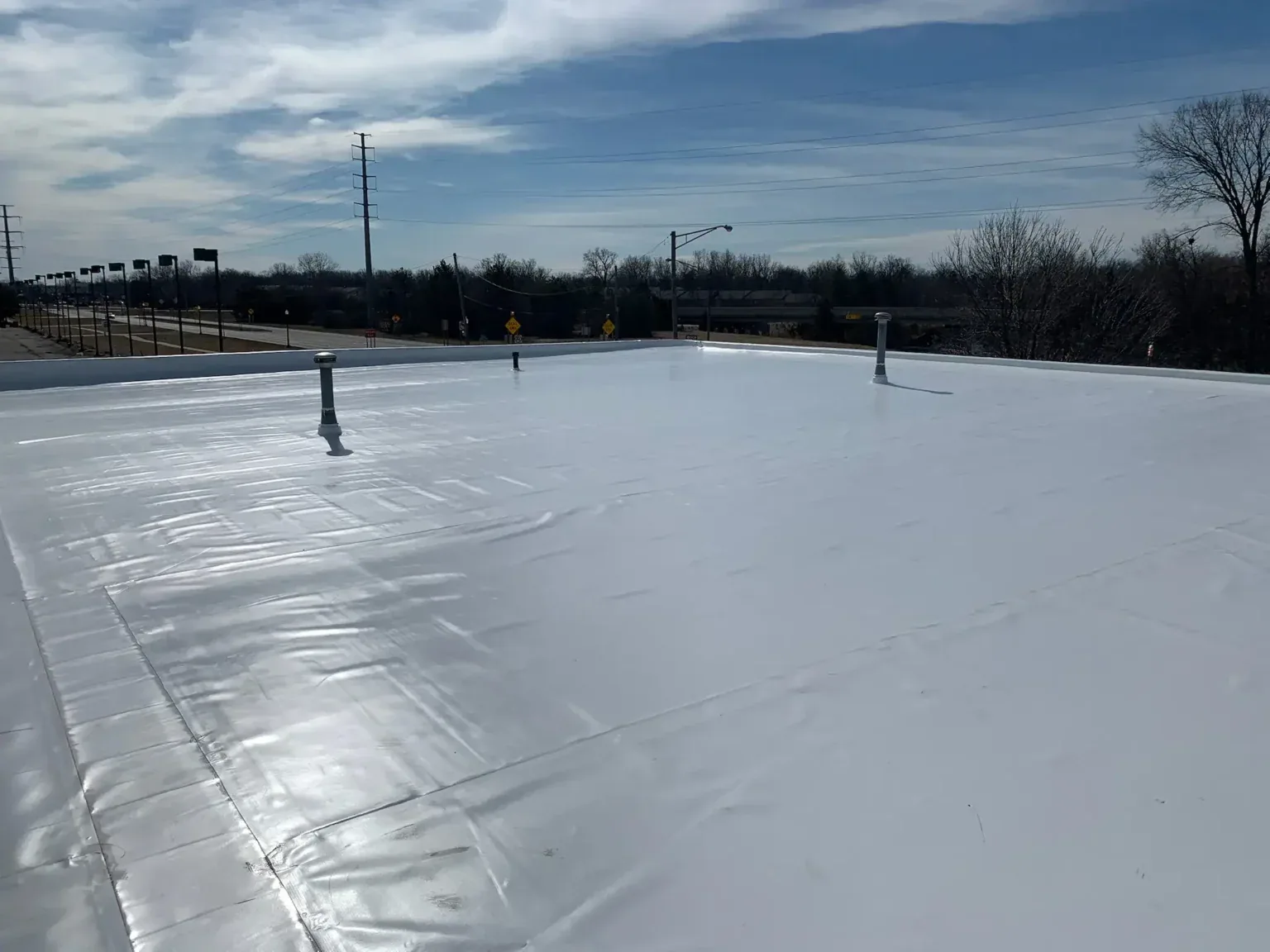
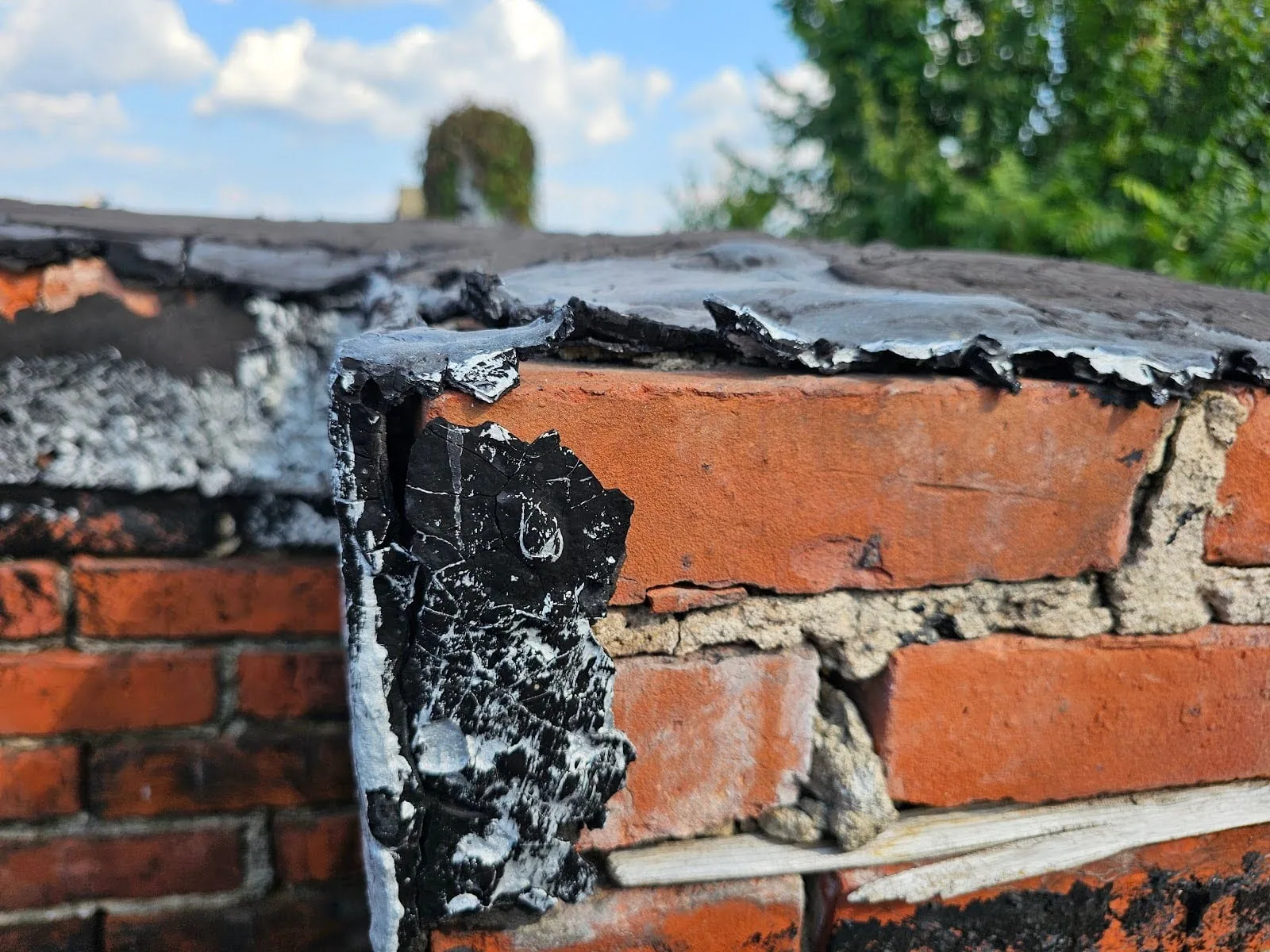
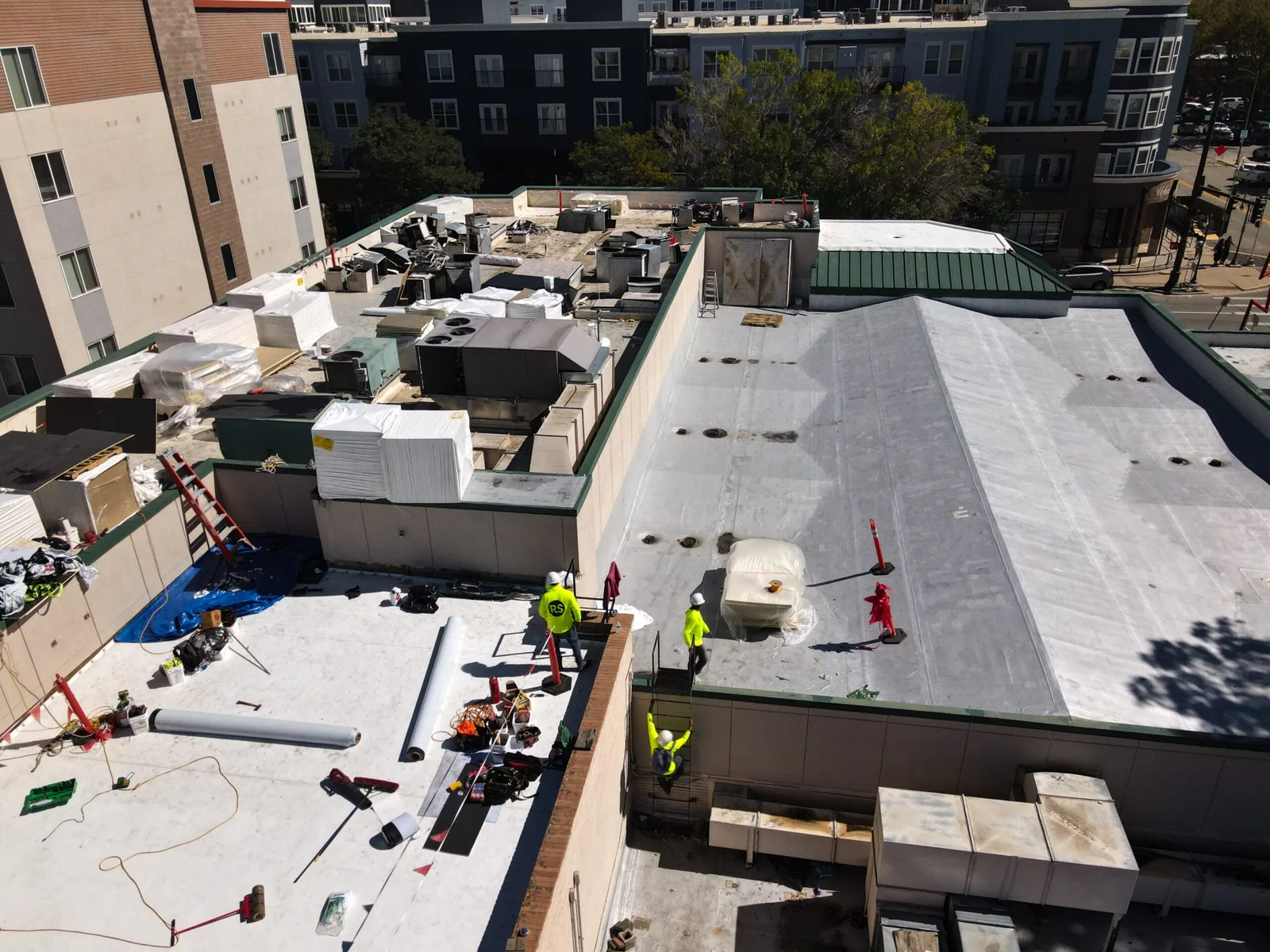
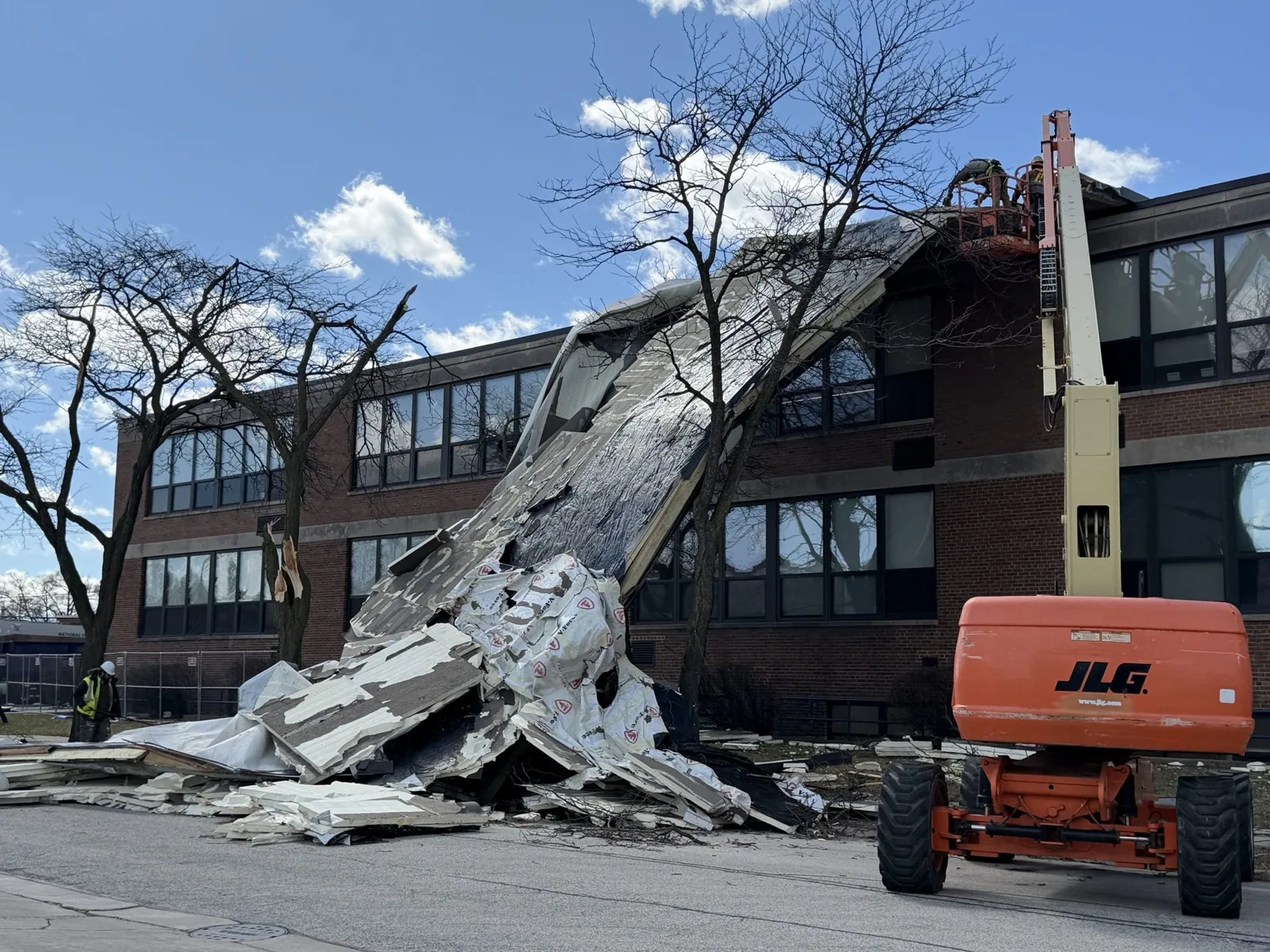
Arrange a Bethany roof inspection
Share the roof plan, leak locations, prior work notes, and access instructions. We will inspect the affected zone, set the repair boundary, and provide a written next step for the facility team.