Commercial Roofing in Westport, CT
Review commercial roof conditions in Westport, CT with a defined access plan, drainage findings, and repair or replacement options tied to the building.
A Westport roof walk begins with the building's access rules and the condition that brought the call. We confirm who can release the hatch, which occupied areas need protection, and where materials can be staged without crossing a public or tenant route. Then we map the reported ceiling mark to roof seams, penetrations, drains, and edges. Westport is a Connecticut town about 9 miles from Bridgeport's center by a straight-line measurement. Station records at Sikorsky Memorial Airport show yearly snowfall averaging 33.6 inches and precipitation totaling 44.09 inches. Those are regional averages, not a roof diagnosis; on site, we verify slope, outlet flow, membrane condition, and the condition of the assembly below.
Keep roof entry and occupants separate
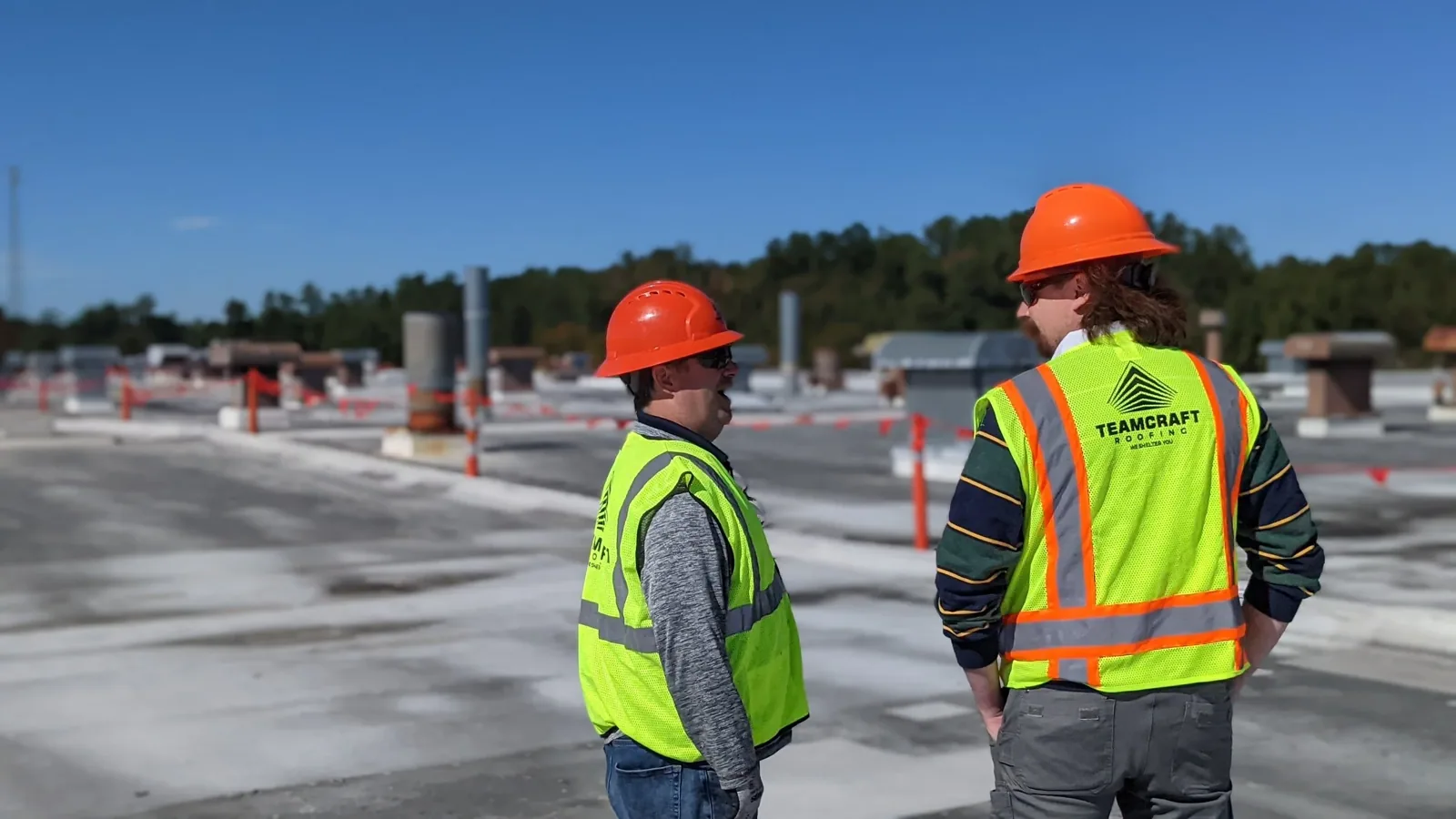
A facility director may have to protect a customer entrance, occupied offices, and service equipment at the same time. We agree on the entry route and work window before tools are carried onto the roof. The route from delivery point to hatch needs enough room for the crew and material, while the area below needs a notice and protection plan that matches the work. If a section is opened, the day plan states who checks the dry-in and how that status reaches the contact responsible for the building.
Westport's proximity to Bridgeport makes regional scheduling practical, but it does not tell us which hours a particular property can accept work. We ask about meetings, deliveries, equipment shutdowns, and building access limits. If an emergency condition needs immediate attention, the first action is to control active water and protect people and contents; a complete repair follows once the roof and weather allow it. A phased occupied-building plan can divide a reroof into sections when the deck, weather, and protection sequence support that approach.
Read the roof before choosing the repair
Water does not have to enter directly above the room where it appears. We use the interior report as a starting point, inspect uphill from the affected area, and follow seams, flashing, curbs, pipe penetrations, wall transitions, and drainage routes. Along the roof edge, we check whether metal is secure and whether runoff is moving toward the intended outlet. Near a drain, we look at the bowl, clamping ring, surrounding membrane, and signs that water has been standing after rainfall or thaw.
We record each observation on a roof map and keep confirmed conditions separate from suspected ones. Infrared readings can help select test locations, but they do not prove that insulation is wet. A test opening, visual inspection, or other agreed verification can answer that question. If a repair is limited to one detail, the report shows its boundary and nearby items left outside the scope. The inspection record can include dated photographs and the next check so a later contact can compare the same roof zone instead of relying on a general description.
Price the work by verified conditions
A localized repair is often the clearest comparison when one seam, penetration, or edge detail has failed and the materials around it remain sound. We identify preparation, compatible repair materials, tie-in method, and the roof area included. If multiple areas show moisture or recurring separation, a broader scope may be more useful than separate patches. The repair estimate distinguishes confirmed quantities from conditions that require approval after opening the assembly. Cost and schedule can change with access, height, layer count, disposal, insulation, fastening, and the amount of protection needed below.
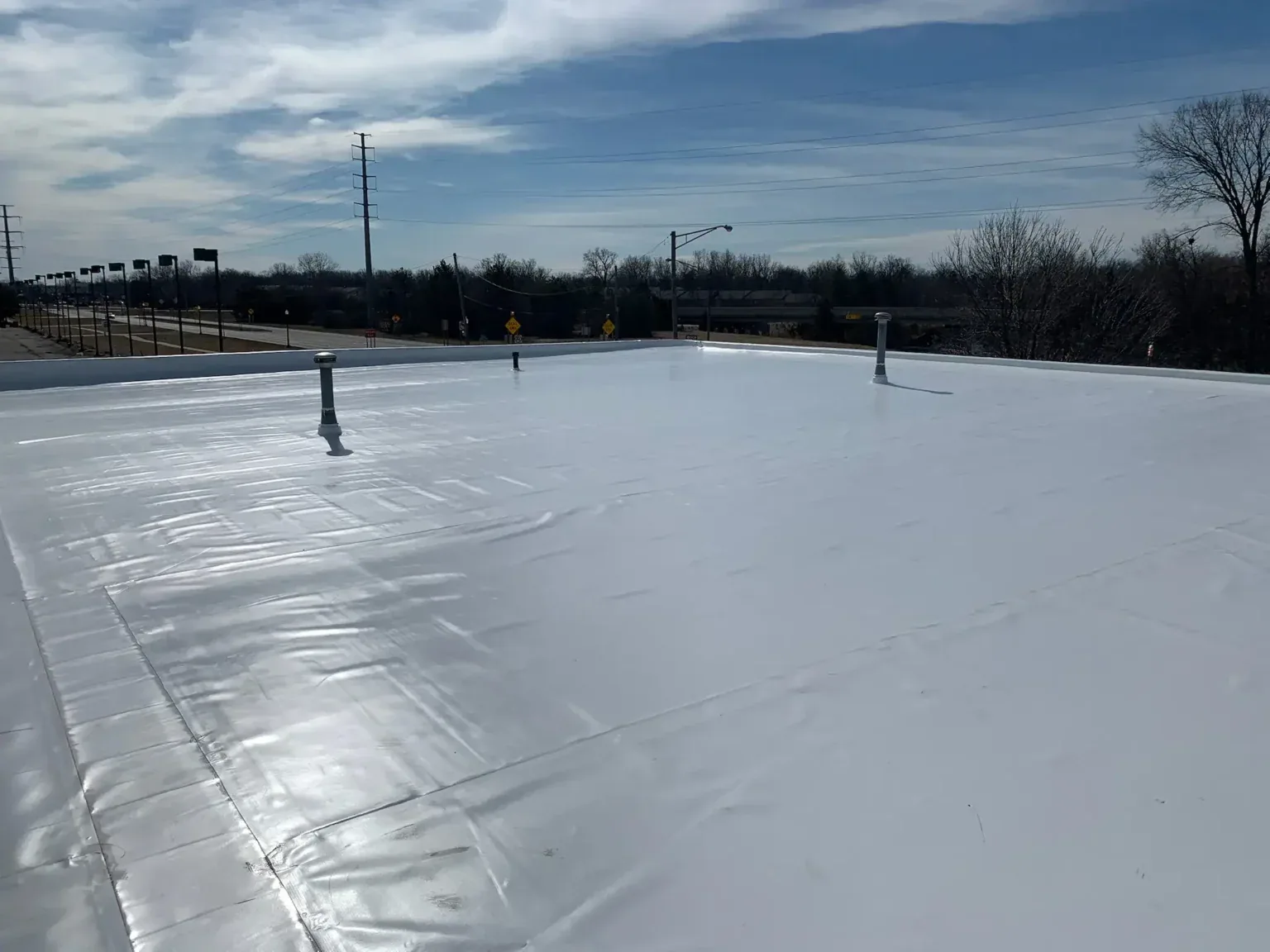
Restoration, recover, and replacement answer different roof conditions. Coating needs a compatible surface and cannot correct wet insulation or a failed deck. A recover requires a stable existing assembly, appropriate attachment, manageable layer count, and enough height for edge and curb details. Replacement allows concealed materials to be removed and observed, with a clear allowance for deck repair if necessary. For a new EPDM roof assembly, the scope should name membrane attachment, seam and flashing details, drainage, and transitions as part of one system. We compare alternatives only after the roof findings show what each can address.
Document the handoff and next trigger
A useful closeout ties the completed work to a location the next facilities contact can find. We note the roof section, observed defect, preparation, installed materials, photographs, and limits of the repair. If conditions remain uncertain, the record states what test or opening would resolve them. A temporary measure should say how it was secured and what change in weather or water entry calls for another visit. A photo condition report helps the owner carry that history into maintenance and future budget decisions.
The Port of Bridgeport supports commercial shipping and cargo movements, but that regional activity does not determine how materials reach a Westport roof. We confirm the property gate, available lift area, delivery timing, and pedestrian separation before mobilization. Our Diligence Notes can identify roof details for the owner's permit team without guessing at approvals. A Bridgeport area roof walk uses the same evidence-first process while keeping each property record distinct.
For a roof with several additions or mechanical upgrades, the walk also needs a section map. We note where membrane types change, where a curb interrupts the field, and whether a drain receives water from one zone or several. That record helps an owner compare a repair limited to a single transition with a project that addresses multiple connected details. If a test opening shows wet insulation, the affected area and removal limit should be marked before the estimate is revised. A roof detail is not approved merely because the surface looks dry after a sunny interval. We check attachment, seams, perimeter height, and the material that will receive the new tie-in. A separate Shelton property gets its own roof map and handoff through a commercial roof review in Shelton, rather than borrowing Westport findings.
If the roof has several sections, we number them in the same order used by the facilities contact. That gives a leak call, a test opening, and a completed repair a shared reference. When an area cannot be reached because equipment or weather closes the route, we keep it outside the confirmed findings and schedule the access needed to inspect it.
Questions and Answers
What does the first Westport roof walk need to settle?
It should identify the active water path, the roof area that can be inspected, and any access or operating limit that affects the work window. We document seams, penetrations, drains, edges, and the assembly condition where it can be observed. The result is a repair boundary or a specific test needed before pricing a larger scope.
Can you keep a Westport office operating during reroofing?
The sequence can be phased when weather, roof condition, and dry-in protection allow each section to be closed before the next area opens. We coordinate access, noise-sensitive periods, equipment interruptions, and notices with the facility contact. The plan names the occupied area beneath each work zone and who receives the end-of-shift handoff.
Why inspect drainage when the reported stain is near a wall?
A wall stain can result from water entering at an edge, traveling across the roof, or backing up around an outlet. We check the roof slope, drain condition, nearby membrane, and the flashing transition before setting the repair limit. The report separates a clear blockage from any assembly defect that needs further testing.
What makes a coating a poor choice for a Westport roof?
Wet insulation, weak attachment, incompatible coatings, or a damaged deck can remain below a new surface layer. We test or open the assembly where needed and check whether the substrate is dry and sound. If those conditions are not established, we compare repair, removal, or a recover only when the construction can support it.
Related Roofing Work
Schedule a Westport roof review
Share the property location, the affected area, who controls roof access, and the operating periods that need protection. We will map the findings and provide a written scope that identifies confirmed work, open questions, and the next decision.